Advertisement
Breast cancer breakthrough uses molecular data to predict whether tumours will come back
- The research identified four types of breast cancer with ‘exceedingly high risk’ of relapse
- The findings open new avenues for treatment and screening of at-risk patients
Reading Time:2 minutes
Why you can trust SCMP

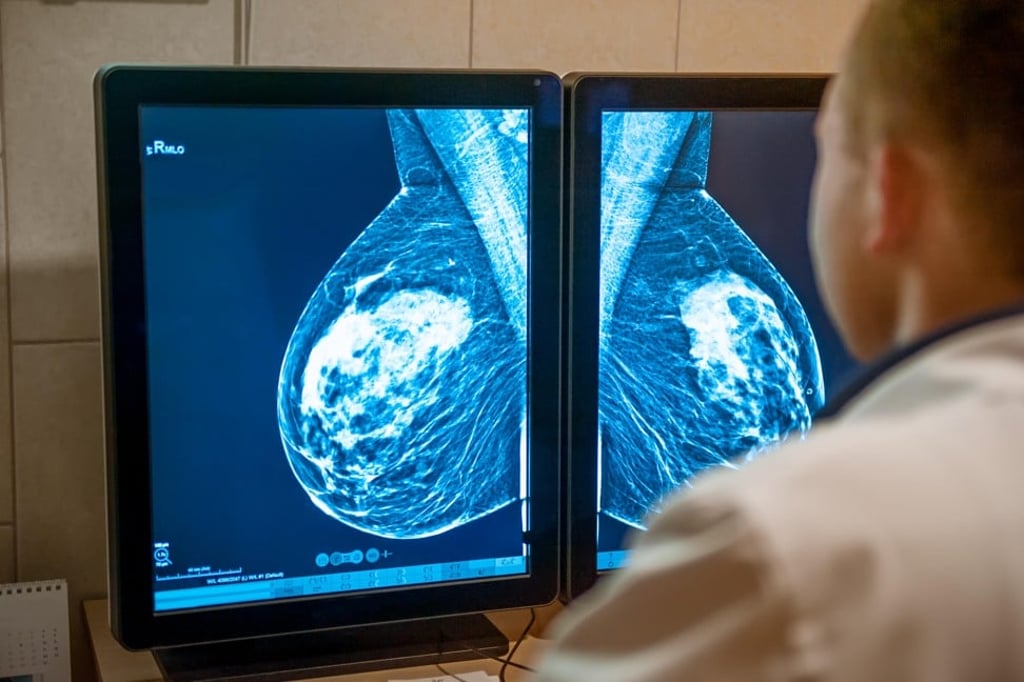
For breast cancer survivors, the risk of tumours returning casts a long shadow, with recurrence possible up to two decades after a diagnosis. But new research could help identify and treat those most in danger.
Doctors have traditionally relied on factors such as the size and grade of a tumour at diagnosis, lymph node involvement and a patient’s age to determine their risk of relapse.
Advertisement
But the rate at which breast cancer recurs, and why it does so, remains “poorly understood”, according to the study published Thursday in the journal Nature.
In a bid to change that, the researchers turned to data from over 3,000 breast cancer patients diagnosed in the United Kingdom and Canada between 1977 and 2005.
Advertisement
Advertisement
Select Voice
Choose your listening speed
Get through articles 2x faster
1.25x
250 WPM
Slow
Average
Fast
1.25x