World’s rivers ‘awash with dangerous antibiotics’, massive global study warns
- Antibiotic pollution helps bacteria develop resistance to medicines – which could kill 10 million people by 2050, the UN says
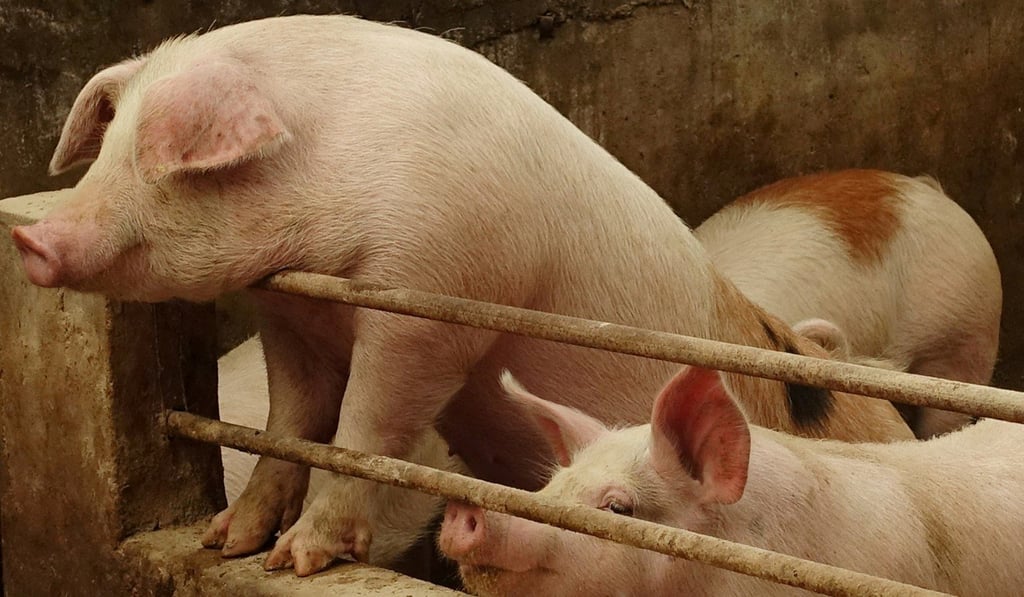
- Human and animal waste has been linked to the rise of antibiotics in rivers

Hundreds of rivers around the world from the Thames to the Tigris are awash with dangerously high levels of antibiotics, the largest global study on the subject has found.
Antibiotic pollution is one of the key routes by which bacteria are able develop resistance to the life-saving medicines, rendering them ineffective for human use.
“A lot of the resistance genes we see in human pathogens originated from environmental bacteria,” said Professor William Gaze, a microbial ecologist at the University of Exeter who studies antimicrobial resistance but was not involved in the study.
The rise in antibiotic-resistant bacteria is a global health emergency that could kill 10 million people by 2050, the UN said last month.
The drugs find their way into rivers and soil via human and animal waste and leaks from waste water treatment plants and drug manufacturing facilities.