Advertisement
Extreme seas, far fewer fish and deadlier tropical storms: these are the results of climate inaction, UN-backed ocean report warns
- These changes will not just hurt the 71 per cent of the world covered in oceans or the 10 per cent covered in ice and snow, said the IPCC special report
- They will also harm people, plants, animals, food, societies, infrastructure and the global economy
Reading Time:4 minutes
Why you can trust SCMP

Climate change is making the world’s oceans warm, rise, lose oxygen and get more acidic at an ever-faster pace, while melting even more ice and snow, a grim international science assessment concludes.
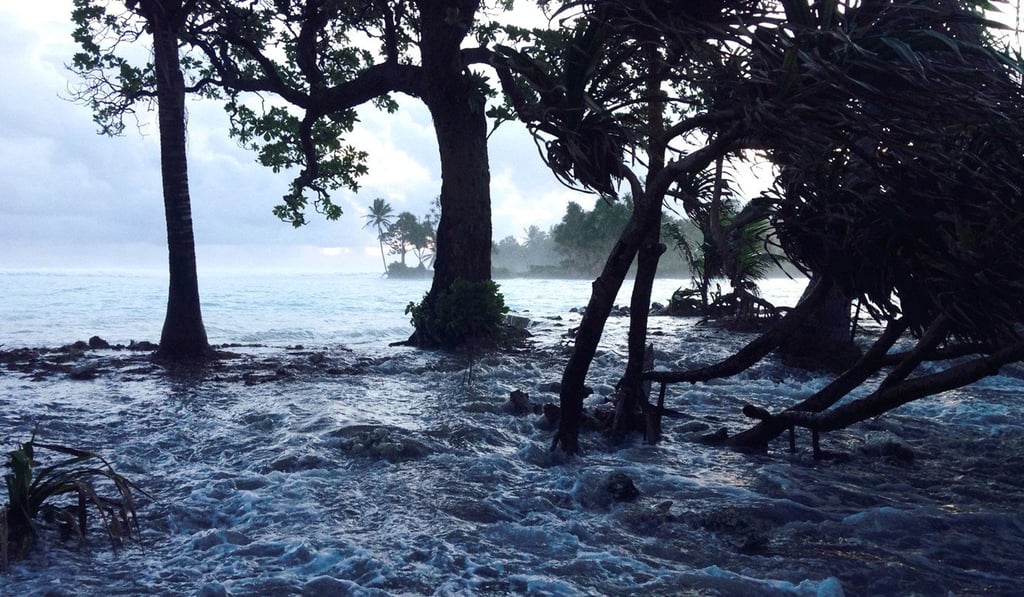
But that is nothing compared to what Wednesday’s special United Nations-affiliated oceans and ice report says is coming if global warming does not slow down: three feet of sea rise by the end of the century, much fewer fish, weakening ocean currents, even less snow and ice, and stronger and wetter tropical storms.
“The oceans and the icy parts of the world are in big trouble and that means we’re all in big trouble, too,” said one of the report’s lead authors, Michael Oppenheimer, professor of geosciences and international affairs at Princeton University. “The changes are accelerating.”
Advertisement
These changes will not just hurt the 71 per cent of the world covered in oceans or the 10 per cent covered in ice and snow, they will harm people, plants, animals, food, societies, infrastructure and the global economy, according to the special report by the Intergovernmental Panel on Climate Change.
Advertisement
The oceans absorb more than 90 per cent of the excess heat from carbon pollution in the air, as well as much of the carbon dioxide itself.
Advertisement
Select Voice
Select Speed
1.00x