Comet from edge of solar system killed the dinosaurs, Harvard scientists say
- Astronomers say Jupiter caused the ‘Chicxulub impactor’ to crash into our planet 66 million years ago, wiping out three-quarters of life on Earth
- Researchers say we can expect similar impacts every 250 million to 750 million years, though ‘you never know when the next one will come’

Sixty-six million years ago, a huge celestial object struck off the coast of what is now Mexico, triggering a catastrophic “impact winter” that eventually wiped out three-quarters of life on Earth, including the dinosaurs.
A pair of astronomers at Harvard say they have now resolved long-standing mysteries surrounding the nature and origin of the “Chicxulub impactor.”
Their analysis suggests it was a comet that originated in a region of icy debris on the edge of the solar system, that Jupiter was responsible for it crashing into our planet, and that we can expect similar impacts every 250 million to 750 million years.
The duo’s paper, published in the journal Scientific Reports this week, pushes back against an older theory that claims the object was a fragment of an asteroid that came from our solar system’s Main Belt.
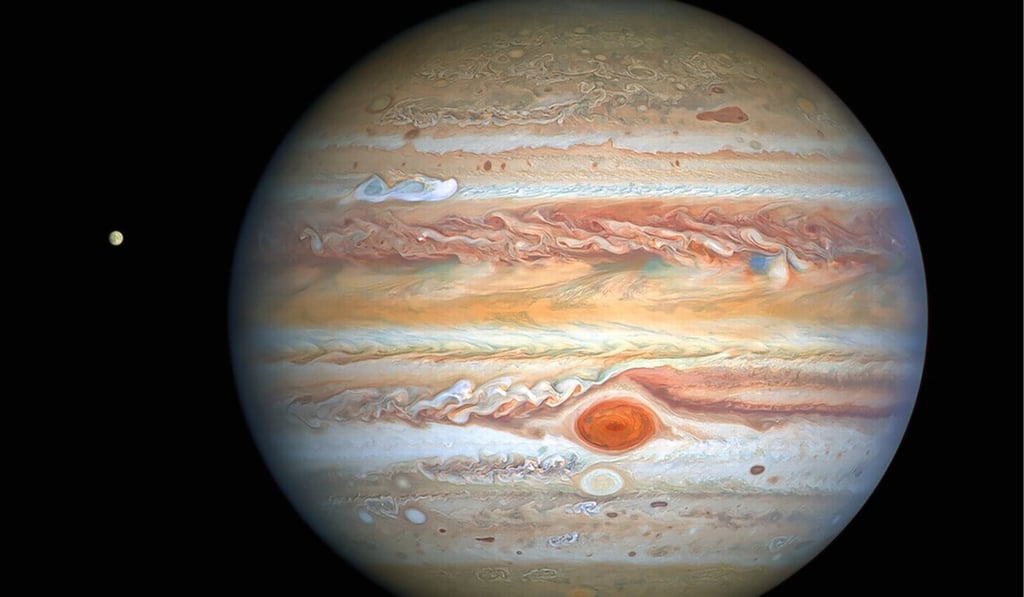
“Jupiter is so important because it’s the most massive planet in our solar system,” lead author Amir Siraj said.