-
Advertisement
World Bank Group
World

Climate change could see 200 million people leave their homes by 2050, World Bank report finds

  • The report found that water scarcity, decreasing crop productivity and rising sea levels could lead to millions of ‘climate migrants’
  • In the most climate-friendly scenario, the world could still see 44 million people being forced to leave their homes, the report found

Reading Time:3 minutes
Why you can trust SCMP
A waterlogged street in Dhaka in July. Bangladesh is particularly affected by flooding and crop failures, accounting for almost half of a World Bank report’s predicted climate migrants. Photo: AFP
Associated Press
Climate change could push more than 200 million people to leave their homes in the next three decades and create migration hotspots unless urgent action is taken to reduce global emissions and bridge the development gap, a World Bank report has found.
The second part of the Groundswell report published on Monday examined how the impacts of slow-onset climate change such as water scarcity, decreasing crop productivity and rising sea levels could lead to millions of what it describes as “climate migrants” by 2050 under three different scenarios with varying degrees of climate action and development.

Under the most pessimistic scenario, with a high level of emissions and unequal development, the report forecasts up to 216 million people moving within their own countries across the six regions analysed. Those regions are Latin America; North Africa; Sub-Saharan Africa; Eastern Europe and Central Asia; South Asia; and East Asia and the Pacific.
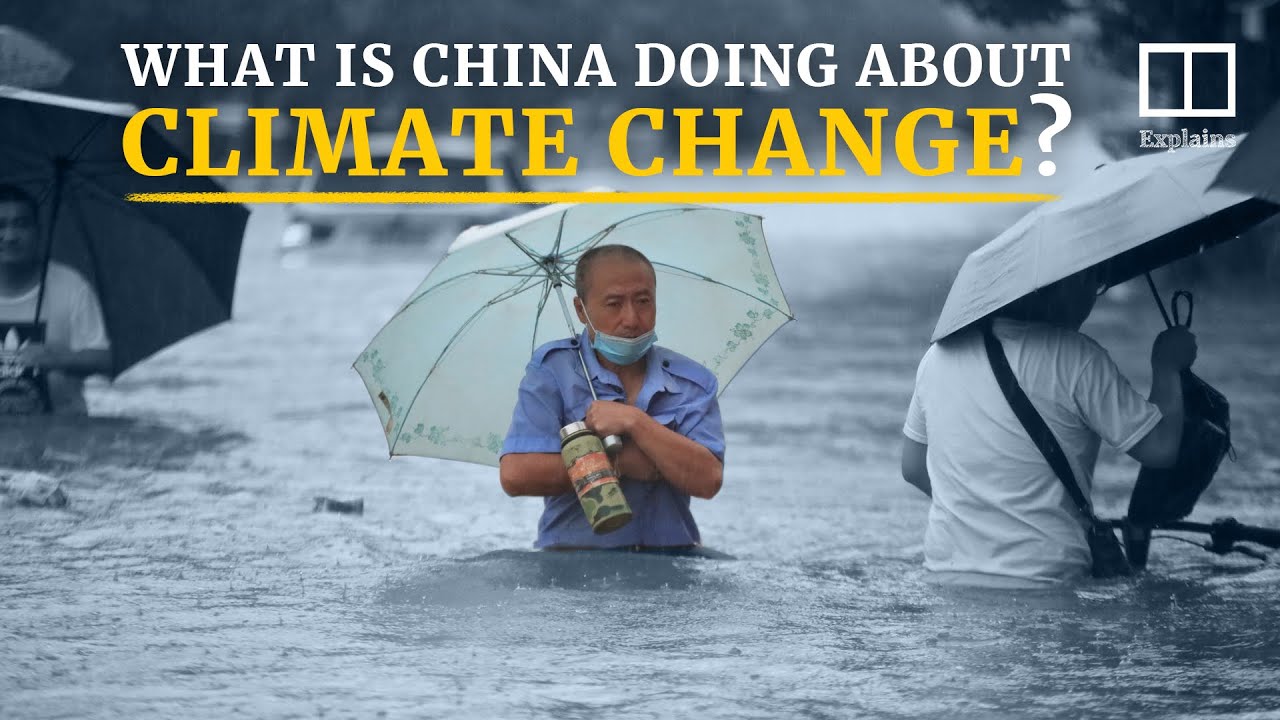
06:55

What is China doing about climate change?

What is China doing about climate change?

In the most climate-friendly scenario, with a low level of emissions and inclusive, sustainable development, the world could still see 44 million people being forced to leave their homes.

Advertisement
The findings “reaffirm the potency of climate to induce migration within countries,” said Viviane Wei Chen Clement, a senior climate change specialist at the World Bank and one of the report’s authors.

The report did not look at the short-term impacts of climate change, such as the effects of extreme weather events, and did not look at climate migration across borders.

Advertisement

In the worst-case scenario, Sub-Saharan Africa – the most vulnerable region as a result of desertification, fragile coastlines and the population’s dependence on agriculture – would see the most migrants, with up to 86 million people moving within national borders.
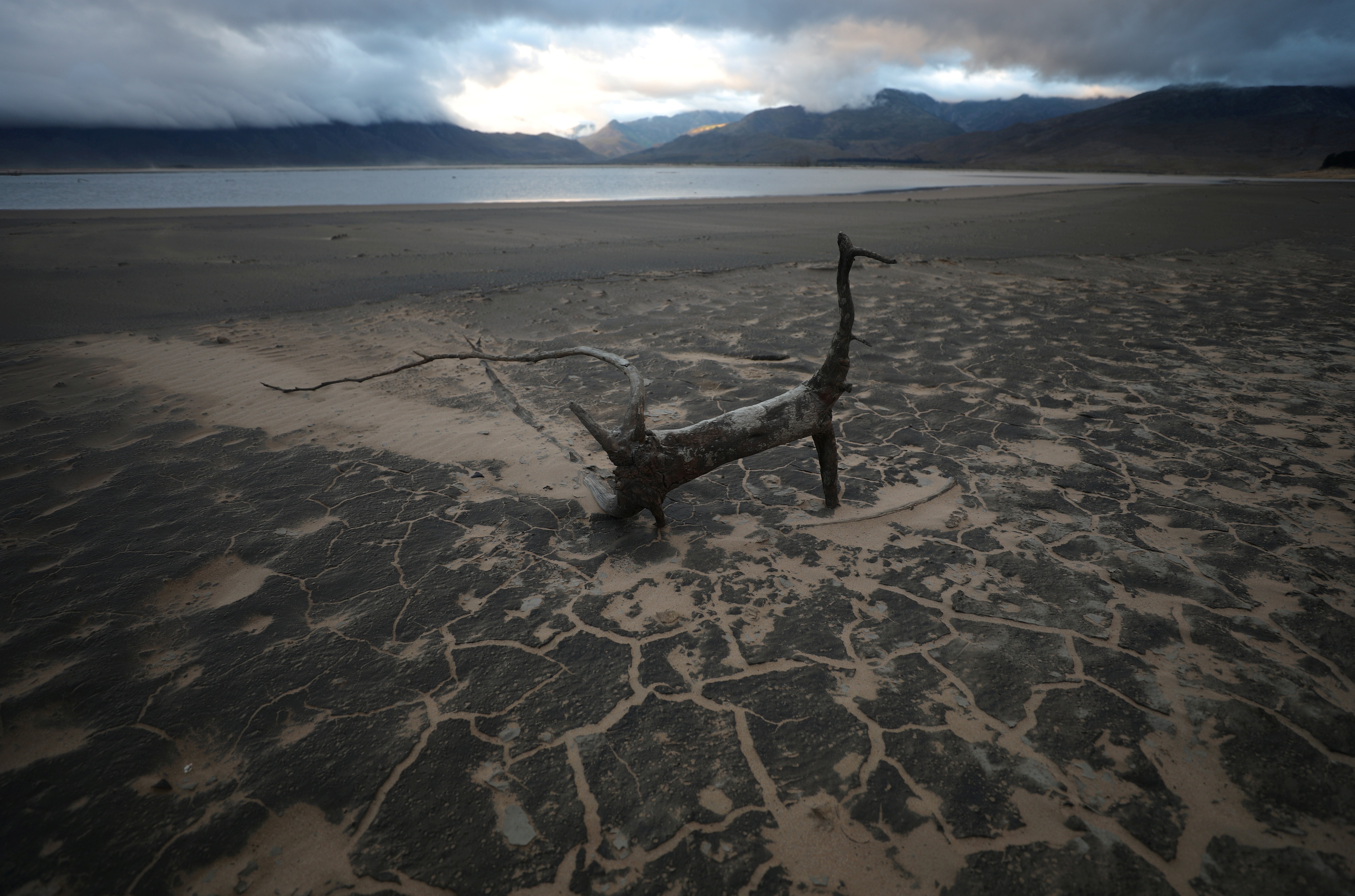
Sand blows across a normally submerged area at Theewaterskloof dam near Cape Town, South Africa. Photo: Reuters
Advertisement
Select Voice
Select Speed
1.00x