Flying solo? Airlines push to ditch co-pilots, cut costs despite safety fears
- The plan backed by over 40 countries including Germany, Britain and New Zealand doesn’t sit well with pilots. It’s a hard sell for passengers, too
- Ultimately, flying could be fully automated with minimal oversight from a pilot in the cockpit – but such flights aren’t likely until well after 2030

Airlines and regulators are pushing to have just one pilot in the cockpit of passenger jets instead of two. It would lower costs and ease pressure from crew shortages, but placing such responsibility on a single person at the controls is unsettling for some.
The plan doesn’t sit well with pilots. It’s a hard sell for passengers, too.
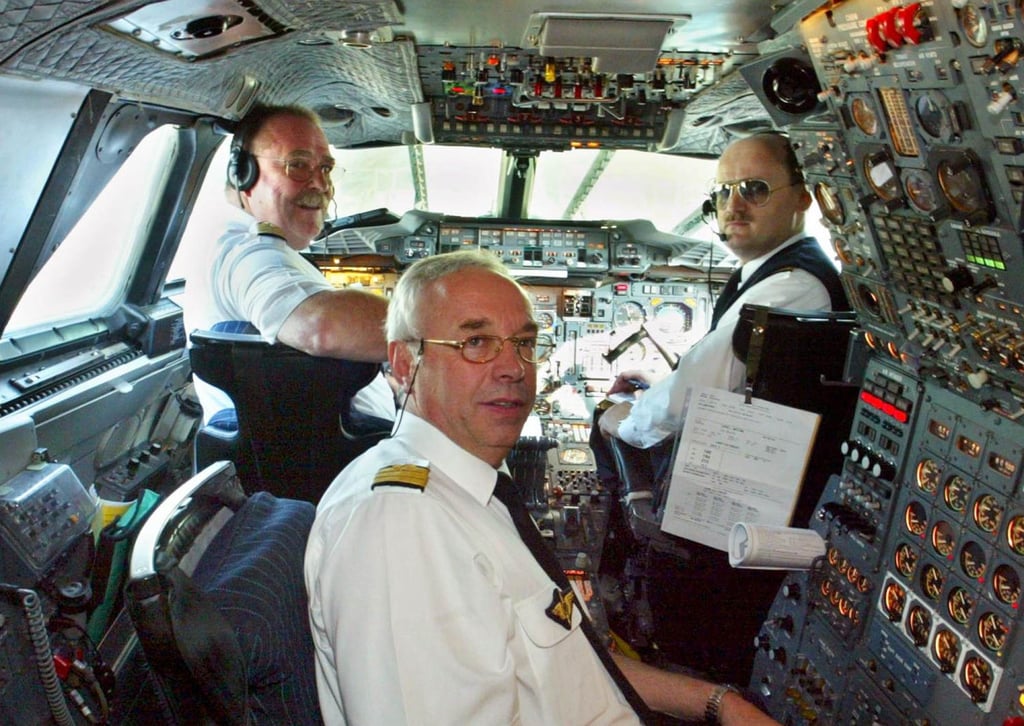
Tony Lucas, an Airbus A330 captain for Qantas Airways Ltd. and president of the Australian & International Pilots Association, is concerned that a lone pilot might be overwhelmed by an emergency before anyone else has time to reach the cockpit to help.
“The people going down this route aren’t the people who fly jets every day,” Lucas said. “When things go awry, they go awry fairly quickly.”
By the time the captain got to the cockpit 90 seconds later, the plane was in an aerodynamic stall from which it never recovered. Less than three minutes later, it hit the water, killing all 228 people on board.