SCMP highlights: 7 of this week’s most read stories
- From Hongkongers uniting to help a sick student on the train to Singapore’s probe into ministers’ homes, here are a few highlights from SCMP’s recent reporting

We have selected seven stories from this week’s news across Hong Kong, mainland China, the wider Asia region and beyond that resonated with our readers and shed light on topical issues.
1. Cathay Pacific discrimination scandal — bad behaviour or something more?
Over the past few days, Hong Kong’s flag carrier Cathay Pacific has been embroiled in a widening scandal after complaints emerged that members of its cabin crew were discriminating against non-English speakers. After the three staff members involved were fired, some criticised Cathay’s handling of the issue.
It’s not like the crew member actually spoke to the passenger in that way. It’s absurd that they got fired by talking among themselves
This came amid other concerns plaguing Cathay regarding low staff morale, insufficient training and drastic pay cuts. The incident has raised questions over whether Cathay could salvage its reputation and what it might mean for Hong Kong-mainland China tensions.
2. WWII ‘horror bunker’ — where Japanese conducted lethal experiments on humans — uncovered in China
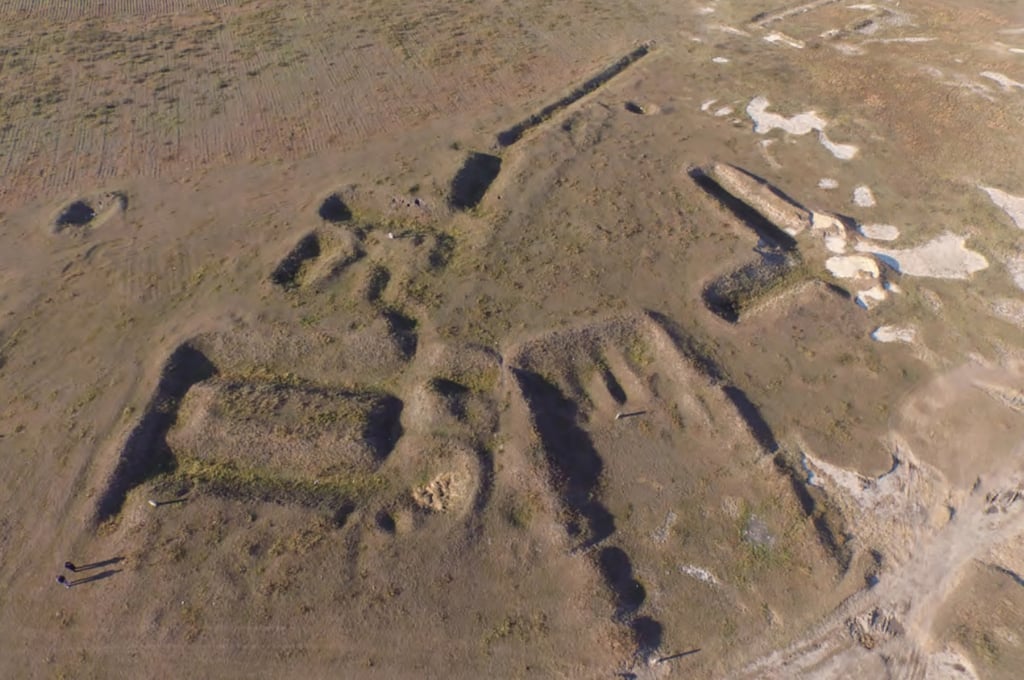
Archaeologists have located an underground research facility in northeast China where Japanese military scientists conducted “horrific biological weapon experiments” on human subjects during World War II. The facility, near the city of Anda in Heilongjiang province, was the largest and most frequently used test site for the Japanese Imperial Army’s notorious Unit 731 that carried out some of the most brutal human experiments in history between 1935 and 1945. Declassified documents later revealed the data was shared with US authorities in exchange for war crimes immunity.