Invasive species behind 60 per cent of extinctions, with murder hornets and Zika-spreading mosquitos among culprits: report
- More than 37,000 alien species have been introduced worldwide as a result of human activity, with 3,500 of them wreaking havoc on local animal and plant species
- The invasive alien species threat imposes a global economic cost of more than US$423 billion annually, affecting local biodiversity, food security and public health

Non-native species – displaced either by global trade and travel or by climate change – pose “a severe global threat” to local biodiversity, food security as well as public health, a new report has found.
This “underappreciated, underestimated, and often unacknowledged” threat from invasive alien species imposes a global economic cost of more than US$423 billion annually and plays a key role in most plant and animal extinctions, according to a report from the Intergovernmental Platform on Biodiversity and Ecosystem Services published on Monday.
More than 37,000 alien species have been introduced worldwide as a result of human activity – transported from one location to another in ships’ ballast water, for instance.
Of these, 3,500 were found to be harmful and invasive as they wreaked havoc on local animal and plant species.
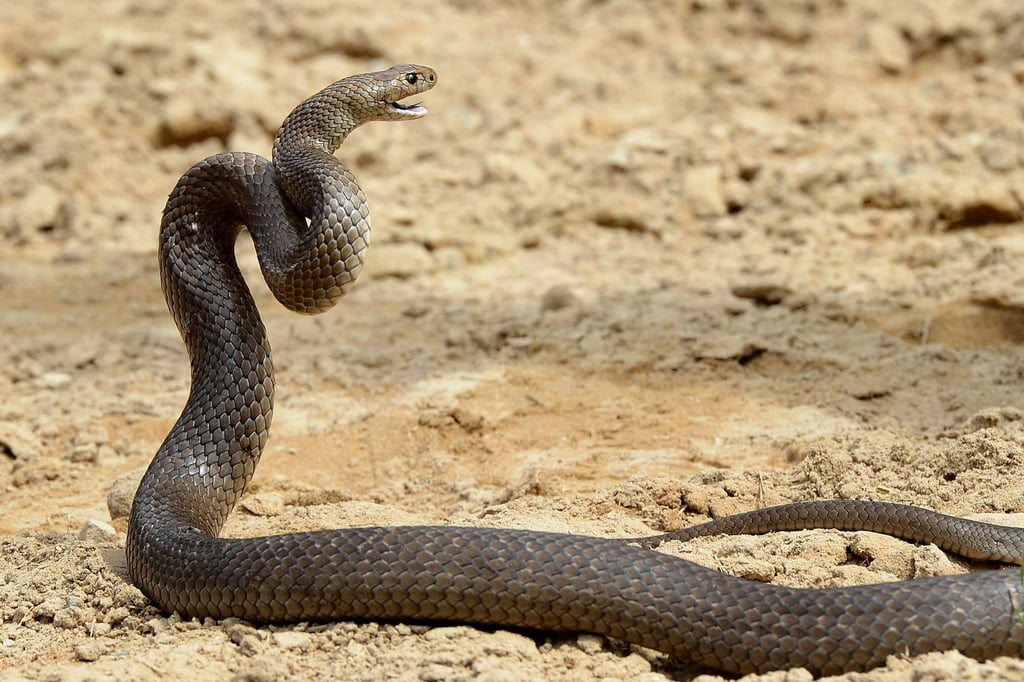
Caribbean false mussels have displaced clams and oysters in the Indian Ocean, while rats and brown snakes are wiping out bird species in the Pacific. European shore crabs have damaged commercial shellfish beds in New England and Canada, the report said.