WHO assembly adopts ‘historic’ global pandemic agreement, but US absence casts doubts
WHO chief hails ‘victory for public health, science and multilateral action’ following vote by 124 nations

Members of the World Health Organization (WHO) adopted a landmark agreement on Tuesday on how to prepare for future pandemics following the Covid-19 outbreak, which killed millions of people between 2020 and 2022.
After three years of negotiations, the legally binding pact was adopted by the World Health Assembly in Geneva. WHO member countries welcomed its passing with applause.
The pact was widely seen as a victory for members of the global health agency at a time when multilateral organisations like the WHO have been battered by sharp cuts in US foreign funding.
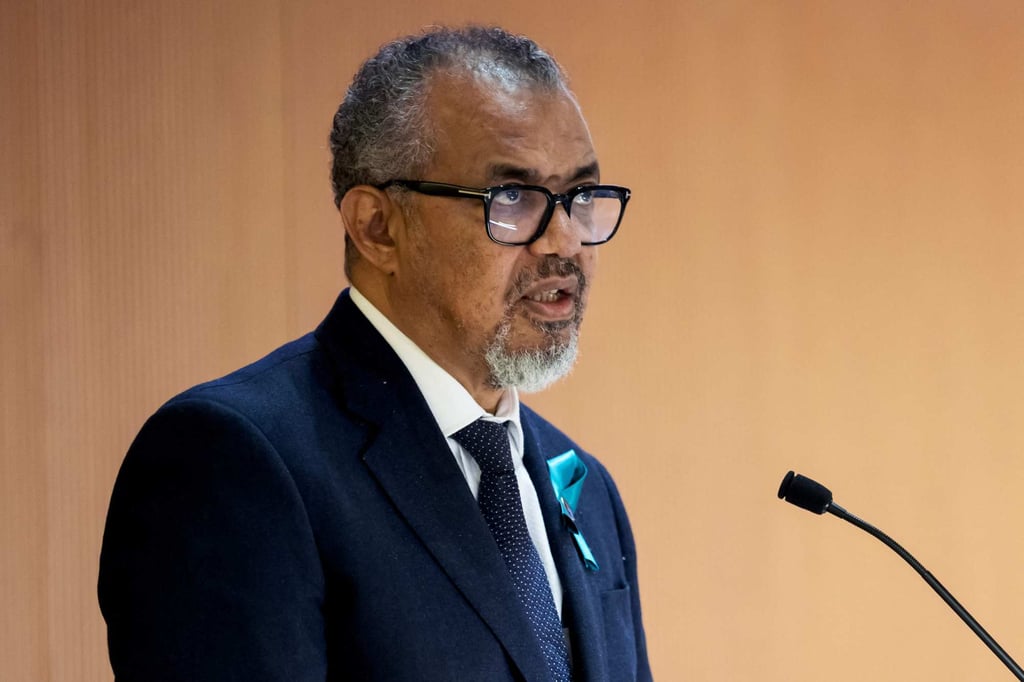
“The agreement is a victory for public health, science and multilateral action. It will ensure we, collectively, can better protect the world from future pandemic threats,” WHO Director General Tedros Adhanom Ghebreyesus said.
He also touted the agreement as “historic” during a time when many countries are putting national interests ahead of shared values and cooperation.
The treaty guarantees that countries which share virus samples will receive tests, medicines and vaccines. Up to 20 per cent of such products would be given to the WHO to ensure poorer countries have some access to them when the next pandemic hits.