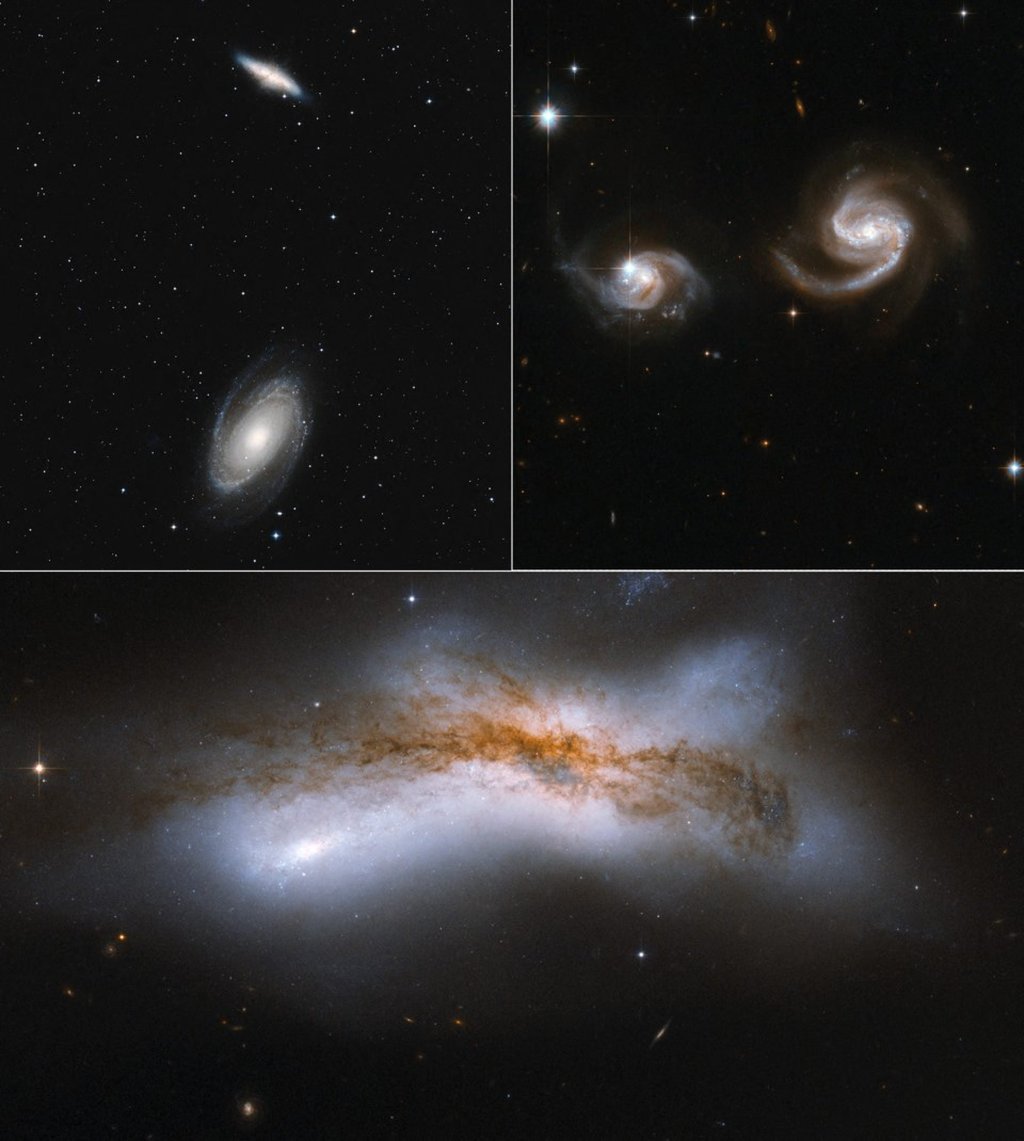
Milky Way’s chance of colliding with neighbour galaxy? 50-50, billions of years from now
A new study suggests our galaxy’s long-predicted merger with Andromeda is now essentially a coin flip

It turns out that looming collision between our Milky Way and Andromeda galaxies might not happen after all.
Astronomers reported Monday that the probability of the two spiral galaxies colliding is less than previously thought, with a 50-50 chance within the next 10 billion years. That is essentially a coin flip, but still better odds than previous estimates and farther out in time.
“As it stands, proclamations of the impending demise of our galaxy seem greatly exaggerated,” the Finnish-led team wrote in a study appearing in Nature Astronomy.
While good news for the Milky Way galaxy, the latest forecast may be moot for humanity.
“We likely won’t live to see the benefit,” lead author Till Sawala of the University of Helsinki said in an email.
Already more than 4.5 billion years old, the sun is on course to run out of energy and die in another 5 billion years or so, but not before becoming so big it will engulf Mercury, Venus and possibly Earth. Even if it does not swallow Earth, the home planet will be left a burnt ball, its oceans long since boiled away.