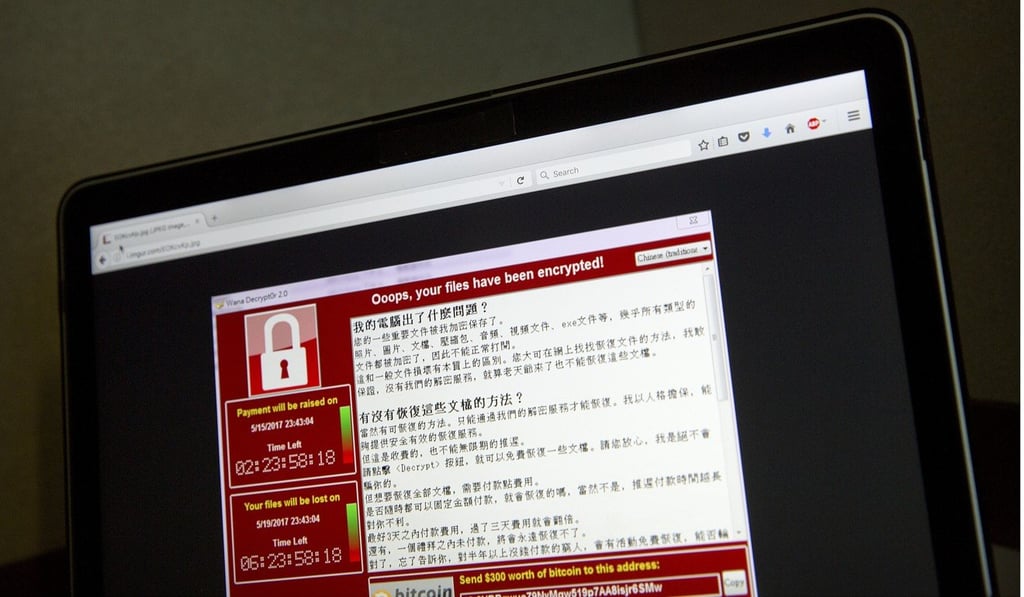
Hackers exploit stolen US spy agency tool to launch cyberattacks in 99 countries
The most disruptive attacks were reported in Britain, where hospitals and clinics were forced to turn away patients after losing access to computers

A global cyberattack leveraging hacking tools widely believed by researchers to have been developed by the US National Security Agency hit international shipper FedEx, disrupted Britain’s health system and infected computers in nearly 100 countries on Friday.
Cyber extortionists tricked victims into opening malicious malware attachments to spam emails that appeared to contain invoices, job offers, security warnings and other legitimate files.
The ransomware encrypted data on the computers, demanding payments of US$300 to US$600 to restore access. Security researchers said they observed some victims paying via the digital currency bitcoin, though they did not know what percentage had given in to the extortionists.
Researchers with security software maker Avast said they had observed 57,000 infections in 99 countries with Russia, Ukraine and Taiwan the top targets.
A cybersecurity researcher appears to have discovered a “kill switch” that can prevent the spread of the WannaCry ransomware – for now – that has caused the cyberattacks wreaking havoc globally, they said on Saturday.