Unapproved artificial body parts implanted in human ‘guinea pigs’ by top UK university’s scientists
The experimental implants were sent abroad by University College London academics and tested on subjects including a drug addict in Iran, inquiry finds

Experimental implants that should only have been used in laboratory or animal tests were sent abroad and used on patients who were treated like human guinea pigs, an inquiry at one of Britain’s leading universities has found.
An artificial windpipe, an arterial graft and a synthetic tear duct manufactured by scientists at University College London were used in operations despite not being approved for use in humans, according to the inquiry’s report.
Stephen Wigmore, the professor of transplant surgery at the University of Edinburgh who chaired the inquiry, said the findings were “quite frightening” and that patients had been essentially used as “guinea pigs”.
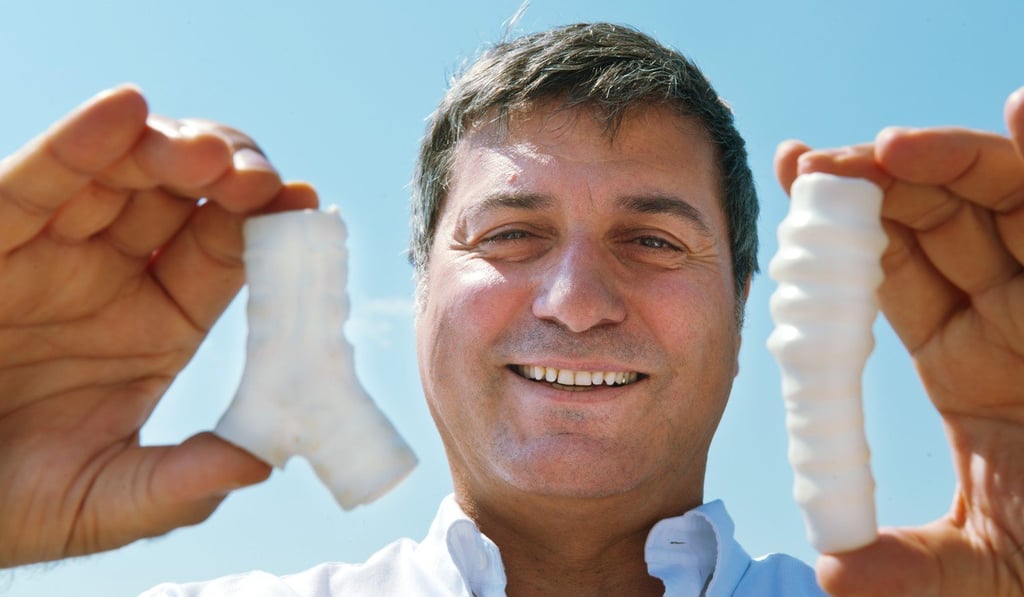
It’s quite frightening to think that someone could be manufacturing this kind of device without knowing the regulations that govern it
Other documents suggested that plastic discs had been sent to Mumbai, India where they were implanted under the skin of a patient in need of an ear reconstruction to test that the material was bio-compatible. The report did not find evidence to show that patients had come to harm as a direct result of these breaches, but it did not rule out the possibility either. And the findings are likely to cast a shadow over the university’s reputation for pioneering medical research.
“It’s very serious and it’s quite frightening to think that someone could be manufacturing this kind of device without knowing the regulations that govern it,” said Wigmore.