90 per cent of London restaurants are contributing to city’s disgusting fatberg phenomenon

The vast majority of London restaurants and takeaways are responsible for feeding the fatbergs that are choking the capital’s sewers, according to survey findings that Thames Water called “staggering”.
Ninety per cent of eateries in London are contributing to the problem by failing to install grease traps, the report found. As a result, grease, oil and food scraps washed off plates, utensils and saucepans are finding their way into pipes and drains.
The issue hit the headlines last month when a 130-tonne fatberg, described as a “total monster” by Thames Water, was found under Whitechapel Road in East London. The company found that no restaurants on the road had a working grease trap.
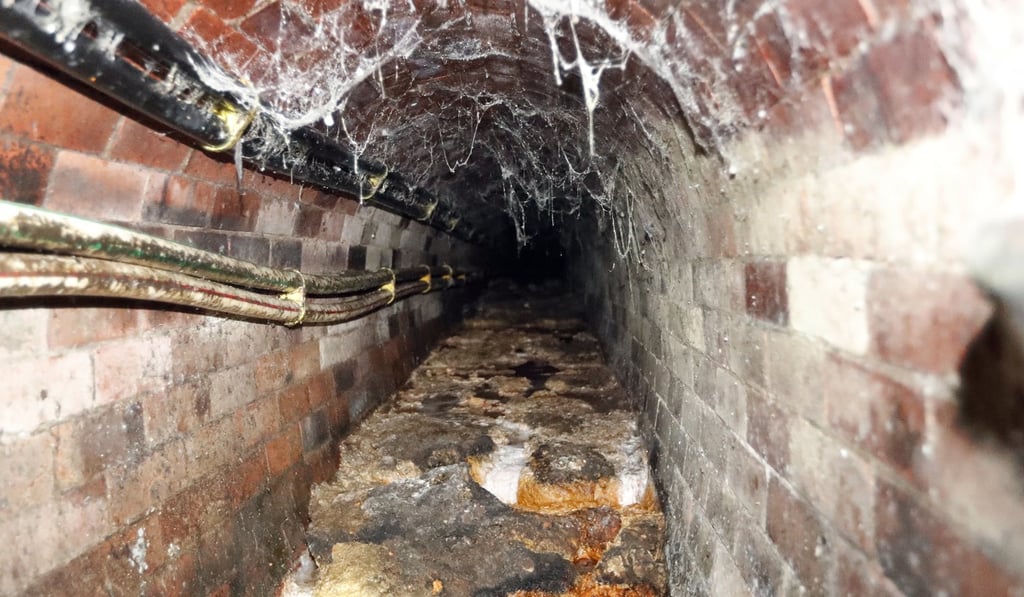
The Whitechapel fatberg was 250 metres long – longer than Tower bridge – and weighed as much as 19 African elephants.
Workers armed with high-powered jets and shovels have been toiling seven days a week to break up the blockage, with work continuing into this month to repair the damage it caused to the Victorian sewer system.