Luxembourg leads the trillion-dollar race to become the Silicon Valley of asteroid mining
The European city says it has the financial backing, legal framework and favourable regulatory structures for a framework outlining the commercial use of ‘celestial bodies’ to take shape

By Andrew Zaleski
In the 1980s the tiny European nation of Luxembourg arose out of almost nowhere to become a leader in the satellite communications industry. Now it’s looking to the skies again, as it hopes to be the global leader in the nascent race to mine resources in outer space.
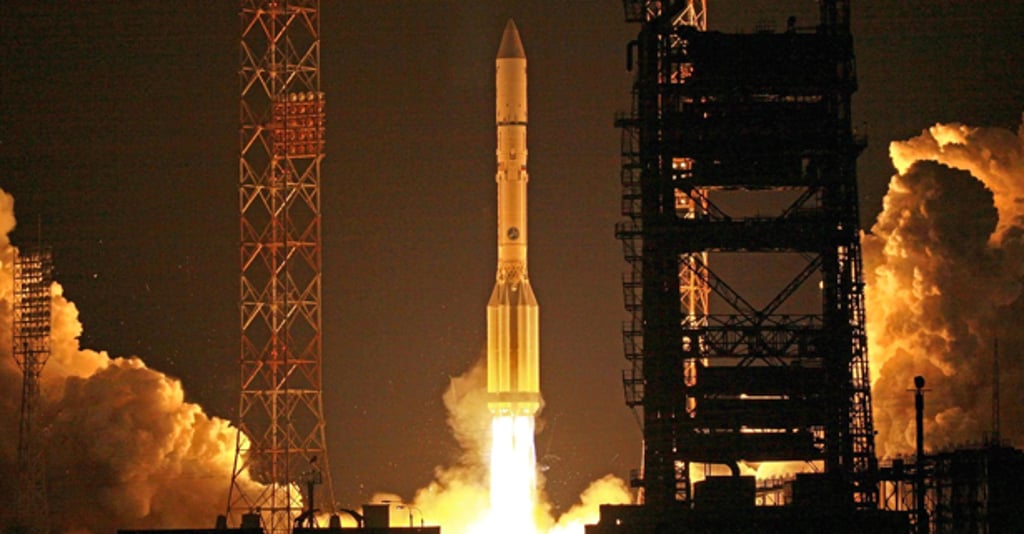
The prospect of asteroid mining, long the stuff of science fiction, is now being likened to a 21st-century gold rush. There’s a quest for resources among the stars, and asteroids are the prime targets, either for the metals they contain that could influence Earth-bound commodity markets, or for the water inside them that can be distilled into rocket fuel for future missions into deep space. Two of the leading companies in the field have been operating for several years already: Deep Space Industries, based in Mountain View, California, and Planetary Resources, based in Redmond, Washington. Unlike the days of the Apollo missions, this new generation of exploration is being led by a private sector interested in going boldly into space and in making money.
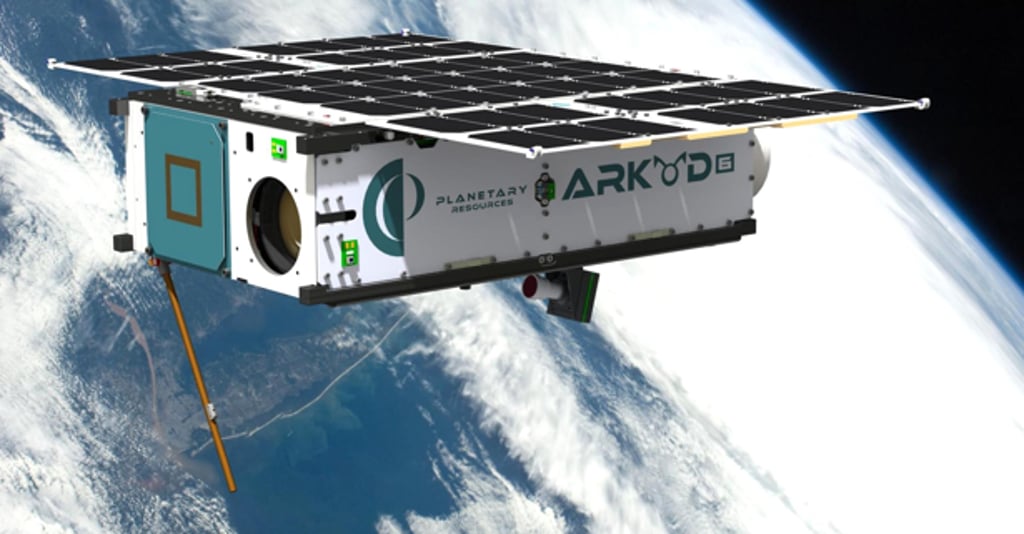
That’s where Luxembourg sees an opportunity to play host to entrepreneurs and start-ups with their sights on space, becoming the worldwide hub of the space mining industry in the process. Private space exploration is a brand new market with trillions of dollars in potential; the Federal Aviation Administration expects space tourism to be a US$1 billion sector over the next several years. Meanwhile, noted experts like Neil deGrasse Tyson has said that the world’s first trillionaire “will be the person who exploits the mineral content of metallic asteroids.”