How a London teenager plotted attacks with an all-female terrorist cell
Safaa Boular, 18, is found guilty by a jury in London, making her Britain’s youngest convicted female Islamic State terrorist

Safaa Boular claimed she led an unhappy teenage life. Teased by strangers for looking like a “ninja, umbrella and postbox” because of her Islamic dress, and starved of attention by an increasingly religious mother, she sought acceptance elsewhere.
She developed an interest in terrorism after the 2015 Paris attacks after becoming “curious” to find out “why people do the things they do”. It was on Twitter that she came across a woman in Syria called Umm Isa Al-Amriki – “mother of American” – who painted the caliphate as a world where “everyone was equal”. In no time, Safaa accumulated hundreds of Isis contacts and through them met Naweed Hussain, a British-born Islamic State militant in Raqqa.
A lengthy trial focused on how the teenager went on to become one of the youngest females to be charged with terrorism offences in Britain, and the driving force behind what officers called a “dysfunctional family unit” and Britain’s first all-female terror cell linked to Isis.
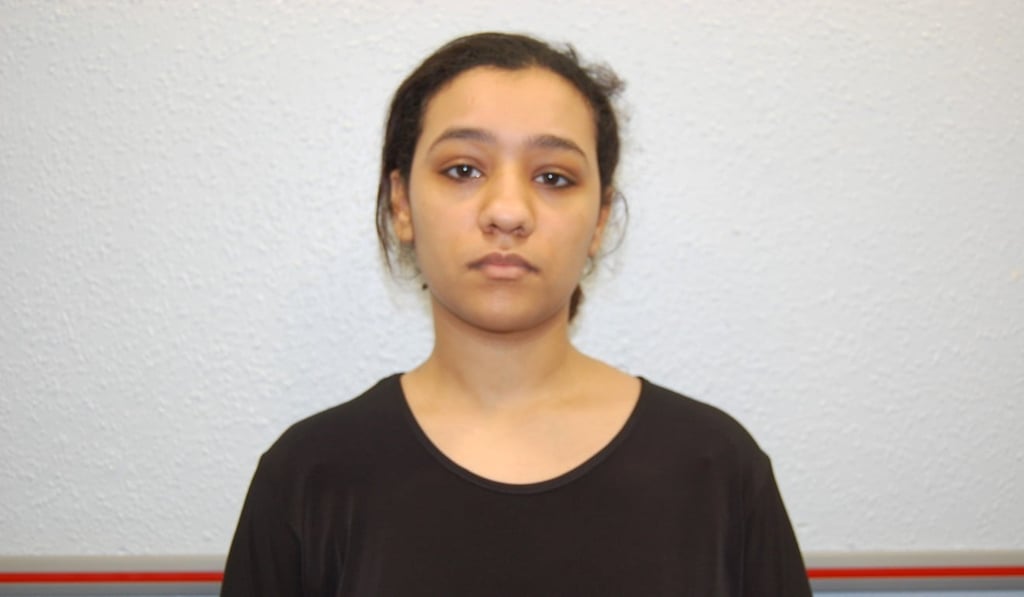
Detectives said the guilty verdict on Monday suggested a pattern at odds with the usual understanding of the role young women within radicalised networks occupy: not as passengers or victims, but as determined perpetrators of violence in their own right.
Safaa, 18, had consistently denied two charges of planning to travel to Syria for Isis activity and engaging in preparations for terror attacks on iconic landmarks in London including, most notably, the British Museum. But the jury found her guilty of both charges, making her Britain’s youngest convicted female Islamic State terrorist.