Explaining Nord Stream 2, the planned Russian pipeline to Germany that Trump says he’s so mad about
The US and others have long opposed the Nord Stream 2 pipeline, decrying the opportunity it may offer Moscow for political leverage

When German officials headed to the Nato summit in Brussels this week, they were already prepared for what they considered to be an inevitable attack by US President Donald Trump over their low defence spending.
But on Wednesday morning, Trump took aim at the Germans for a very different reason: an 1,300km-long, planned pipeline beneath the Baltic Sea. The German government has been pursuing its Nord Stream 2 project for years, despite criticism from the United States and some Eastern European nations.
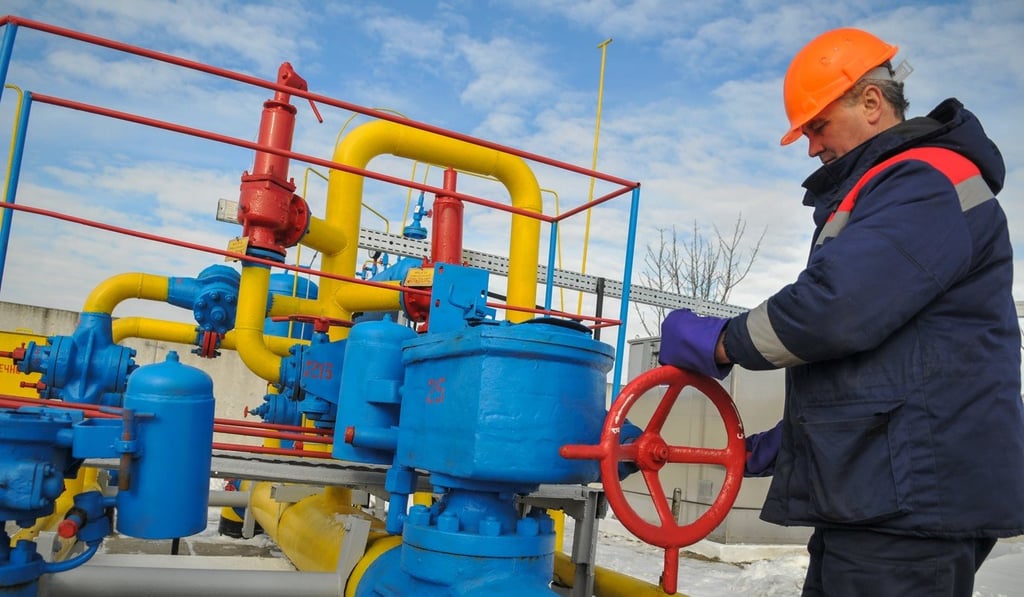
Germany is indeed Russia’s biggest export market in Europe for gas, with a dependency that may grow further once Nord Stream 2 is finished. The project would roughly double Russia’s export volume via the Baltic route that goes through the original Nord Stream pipeline.
Over the next few decades, Europe’s own gas resources – which accounted for about a third of its supplies in 2016 – are expected to gradually disappear. (Britain, Norway and the Netherlands are Western and Northern Europe’s biggest producers, primarily relying on natural gas fields in the North Sea.)