Why did Greenland’s Viking colonies disappear? It may have been because the trade in walrus ivory collapsed
At one point, the Vikings’ descendants thrived on a lucrative trade in walrus tusks, which were sold to Europe’s elite and carved into luxury items

Clues to the mystery of why Viking colonies in Greenland thrived and then disappeared have been found in the DNA of medieval walrus bones housed in more than a dozen European museums.
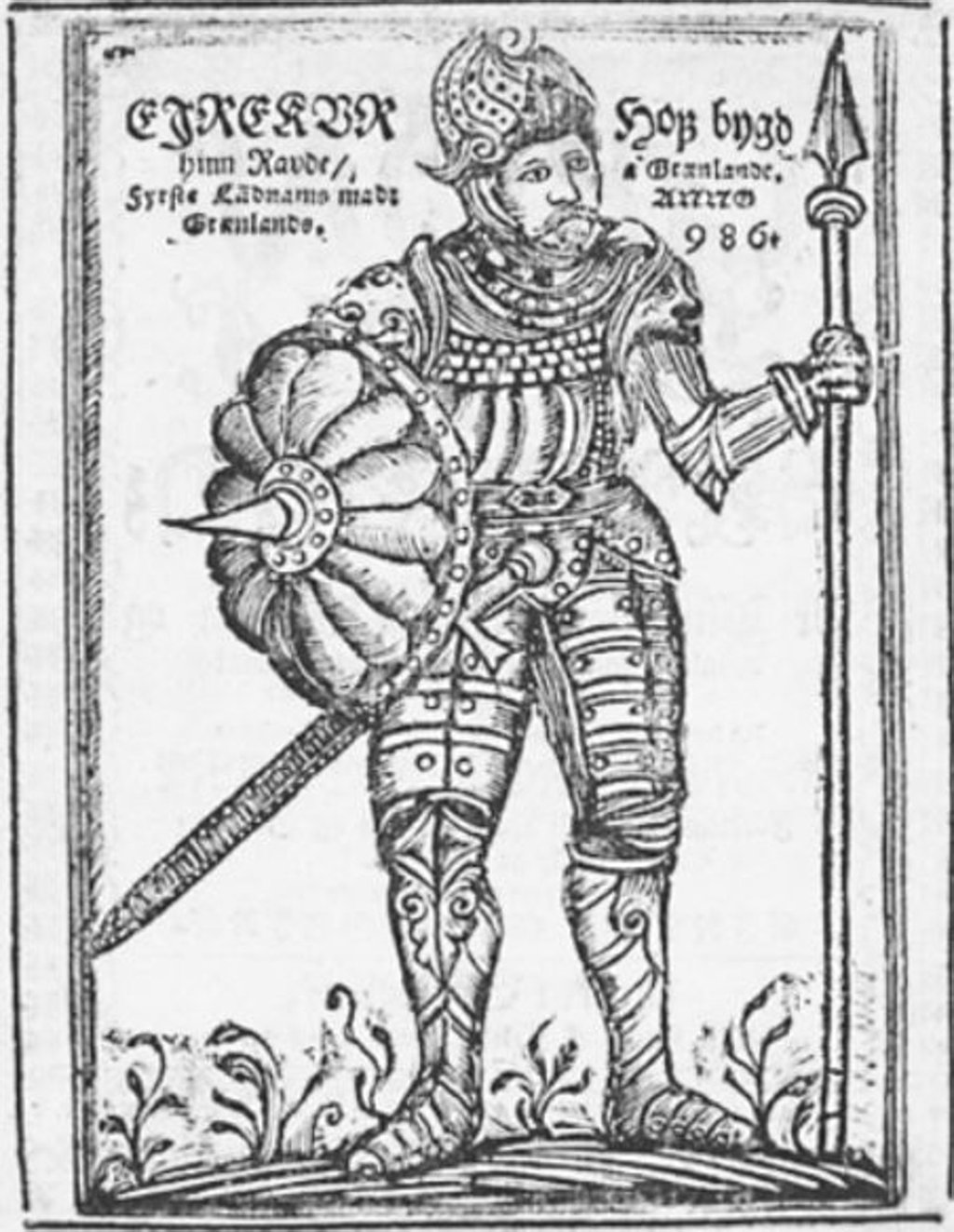
For almost 500 years, the Norse descendants of Erik the Red built churches and manor homes and expanded their settlements on the icy fringes of European civilisation.
On Greenland, they had elaborate stone churches with bronze bells and stained glass, a monastery, and their own bishop. Their colonies at one time supported more than 2,000 people. And then they vanished. Scholars have long wondered why.
“Why did they flourish and why did they disappear?” asked Thomas McGovern, an anthropologist at Hunter College in New York. “And did their greatest success also contain the seeds of their demise?”
Researchers who visited museums across western Europe to assemble a rare pile of artefacts – fragments of medieval walrus skulls – reported in a study in Wednesday’s Proceedings of the Royal Society B that the fate of these medieval outposts may have been tied to the demand for walrus ivory among rich Europeans.
The study revealed that during the height of the Norse settlement – from about 1120 to 1400 – at least 80 per cent of the walrus samples were directly sourced from Greenland.