Mysterious microscopic parasites are massacring the Mediterranean’s giant clams
- Scientists are racing to understand how the parasite spreads in time to save the giant clam species, which is already endangered

With rapid efficiency, a mysterious parasite is seeking out and killing a giant species of clam found only in the Mediterranean Sea. Unless scientists can find a way of stopping it soon, they say the mollusc could go extinct.
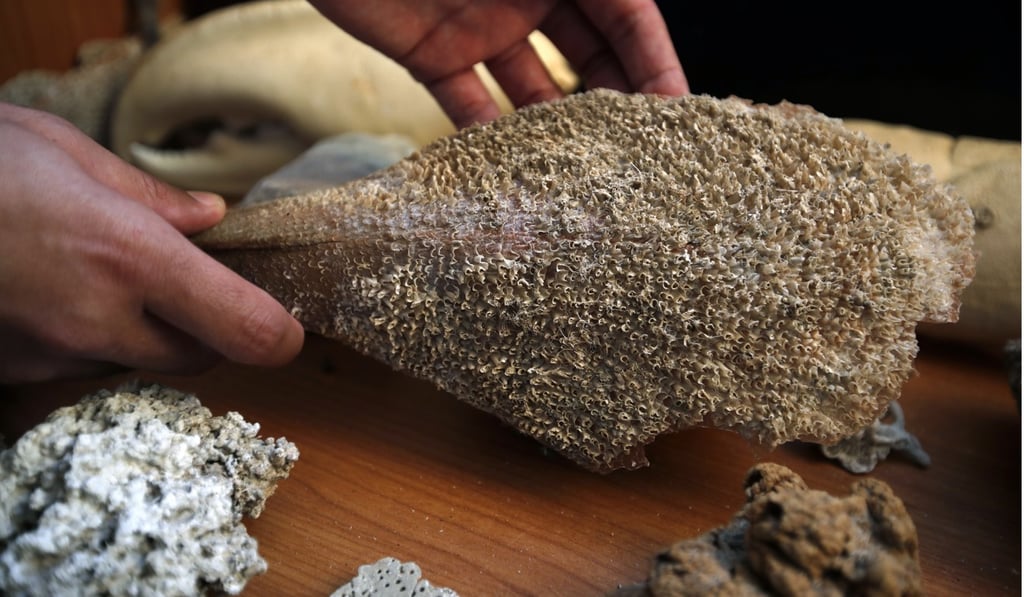
For thousands of years, the noble pen shell, an emblematic species of mollusc, has been intrinsically connected to human civilisation. The largest bivalve in the Mediterranean can grow more than a metre (three feet) long and has provided food and one of the world’s rarest materials: sea silk spun from fibres it uses to secure itself to the seabed.
.
The pen shells, which have a lifespan of several decades and take years to reach reproductive age, were already dying faster than they could be replaced; the species has been on the European Union’s protected species list for decades. So the spread of the parasite, which first appeared in the western Mediterranean in late 2016 and was identified just this year as a new species, has alarmed experts.
Exactly how the parasite kills is not clear, although scientists have found that it attacks the digestive system. The infected animal is unable to close its shell, and thus unable to defend itself from predators. Once infected, death is almost certain.