World ‘woefully unprepared’ for climate change’s effects on drinking water supplies drawn from mountains
- Mountain-sourced water supplies provide about half of all drinking water worldwide but are becoming more unpredictable
- Warmer temperatures are melting glaciers as well as changing rain patterns and river levels, climate experts said at an international summit

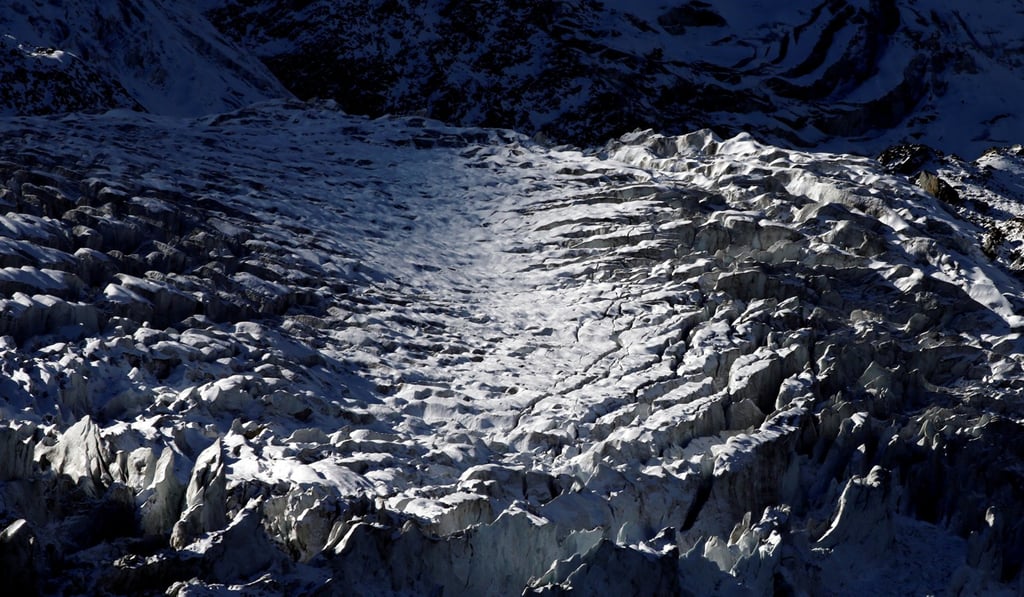
Mountain-sourced water supplies, which provide about half of all drinking water worldwide, is becoming more unpredictable as warmer temperatures melt glaciers and change precipitation patterns and river levels, affecting countries unevenly.
In some areas, such as the Alps, extra water from glaciers has caused flash floods while shrinking snow cover in the Andes has led to droughts in places like Chile.
Scientists gathered for a “High Mountain Summit” at the World Meteorological Organisation (WMO) in Geneva this week are seeking better cooperation between governments, researchers and space agencies.
“We are woefully underprepared. Our infrastructure was built in the 19th and 20th centuries in the mountains and downstream of the mountains and we don’t have that climate any more,” said John Pomeroy, a professor at Canada’s University of Saskatchewan, who is co-chairing the event.
Switzerland, the host country, estimates that damage to its infrastructure, including railways, caused by climate change could cost 1 billion Swiss francs (US$1 billion) a year. But many poorer countries experiencing similar challenges are unlikely to have funds on that scale to fix problems.