The British Chinese running in the 2019 UK general election
- Nine candidates have been selected by the main parties, two less than the UK election in 2015
- Among them is Alan Mak, who made history as the first Chinese elected to the UK parliament
![Catherine Cui is a candidate for Nigel Farage’s Brexit Party: ‘I love both Farage and [Donald] Trump very much’. Photo: Hilary Clarke](https://cdn.i-scmp.com/sites/default/files/styles/1200x800/public/d8/images/methode/2019/12/08/f44b474e-14d4-11ea-9462-4dd25a5b0420_image_hires_101527.jpg?itok=kJk5MndS&v=1575771340)
Whatever the result of the UK’s fraught and unpredictable general election later this month, the new parliament, even if it is a hung one, is likely to be the most ethnically diverse in British history.
If each party wins the constituencies that it won in the 2017 vote – 52 more South Asian, Afro-Caribbean and other minority candidates will move to the green benches of the House of Commons, according to the think tank British Future. What will that mean for the candidates of the half million strong Chinese diaspora in Britain?
The community has suffered from being both diverse and disperse, lacking visibility in the media and public life and scattered across the country, instead of living in tight-knit communities like other ethnicities where block votes can get representatives elected.
“As a community we have are seriously under-represented in parliament,” said Edmond Yeo, the first ethnic Chinese person to be elected as a councillor in Ealing, west London for the Conservative Party. “Our voice needs to be heard too. It surely must happen on December 12.”
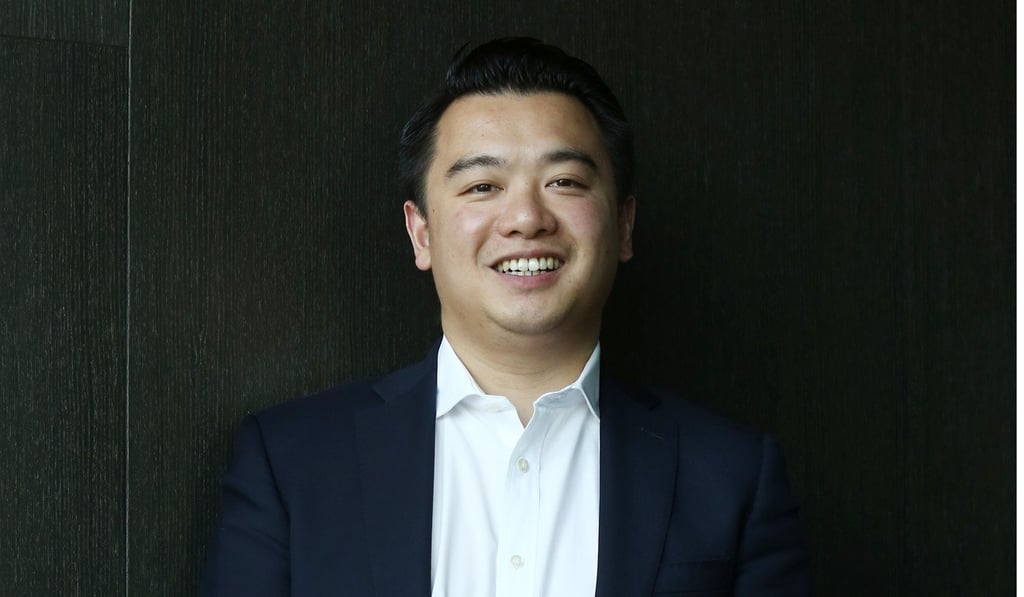
But even though nine candidates from the Chinese diaspora in Britain have been selected by the main parties, that is still two less than in 2015. Only two of them are standing in “safe” seats for their parties.