UN climate talks in Madrid close with no agreement on carbon markets
- Carbon markets put a price on emission of carbon dioxide, and allow countries or companies to trade emissions permits that can be steadily reduced
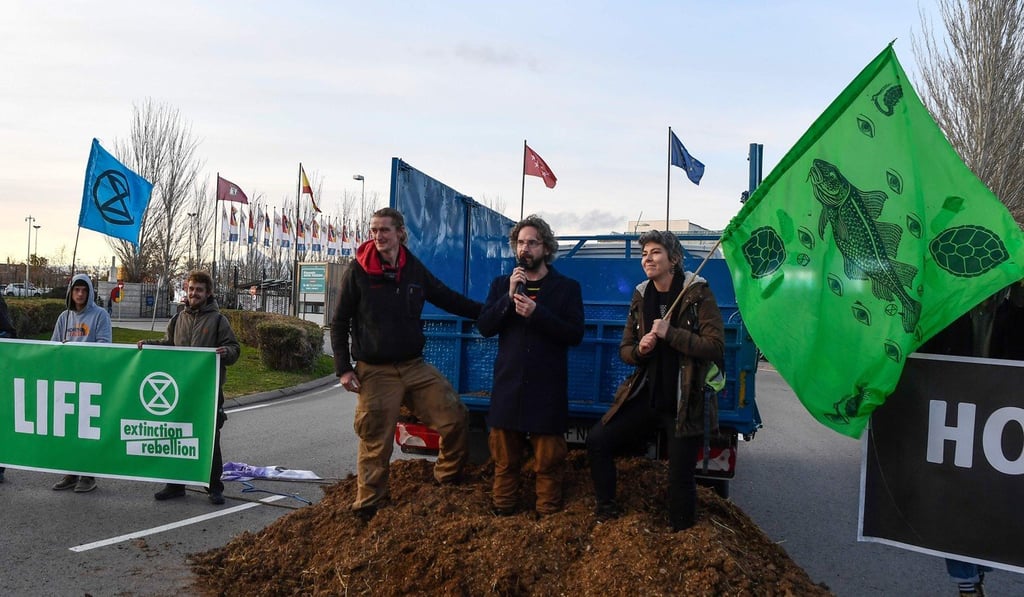
- The talks have been accompanied at times by angry protests from indigenous and environmental groups, both inside and outside the venue

Marathon international climate talks ended on Sunday with negotiators postponing until next year a key decision on how to regulate global carbon markets.
But despite holding the longest climate talks ever in 25 nearly annual editions they left one of the thorniest issues for the next summit in Glasgow, in a year’s time.
Carbon markets put a price on emission of carbon dioxide, the main greenhouse gas, and allow countries or companies to trade emissions permits that can be steadily reduced – encouraging the uptake of low-emission technologies.
Countries from Europe and elsewhere had said that no deal on how to govern the exchange of carbon credits was better than a weak one that could undermine a dozen or so existing regional carbon mechanisms.
“Thankfully, the weak rules on a market-based mechanism, promoted by Brazil and Australia, that would have undermined efforts to reduce emissions has been shelved,” said Mohamed Adow, director of Power Shift Africa, a campaign group.