Advertisement
Germany’s Olaf Scholz seals coalition deal to succeed Angela Merkel as chancellor
- Scholz’s centre-left Social Democrats says they will present their agreement with the Greens and the pro-business Free Democrats on Wednesday
- The new government will prioritise climate protection, push for investment in new technologies, and is also likely to become more assertive on the international stage, especially with issues over China and Russia
2-MIN READ2-MIN
2

Olaf Scholz is set to succeed Angela Merkel as German chancellor after forging an unprecedented alliance that aims to revamp Europe’s largest economy by tackling climate change and promoting digital technologies.
After nearly two months of intense negotiations, Scholz’s centre-left Social Democrats said they will present their agreement with the Greens and the pro-business Free Democrats on Wednesday. Details of the coalition deal will be published later, when Scholz and leaders from the other two parties will hold a news conference at 3pm in the German capital.
The deal seals the end of Merkel’s 16-year tenure. During her four terms as chancellor, she became one of the West’s most respected leaders but left the country’s industry exposed to threats from China and changing technologies.
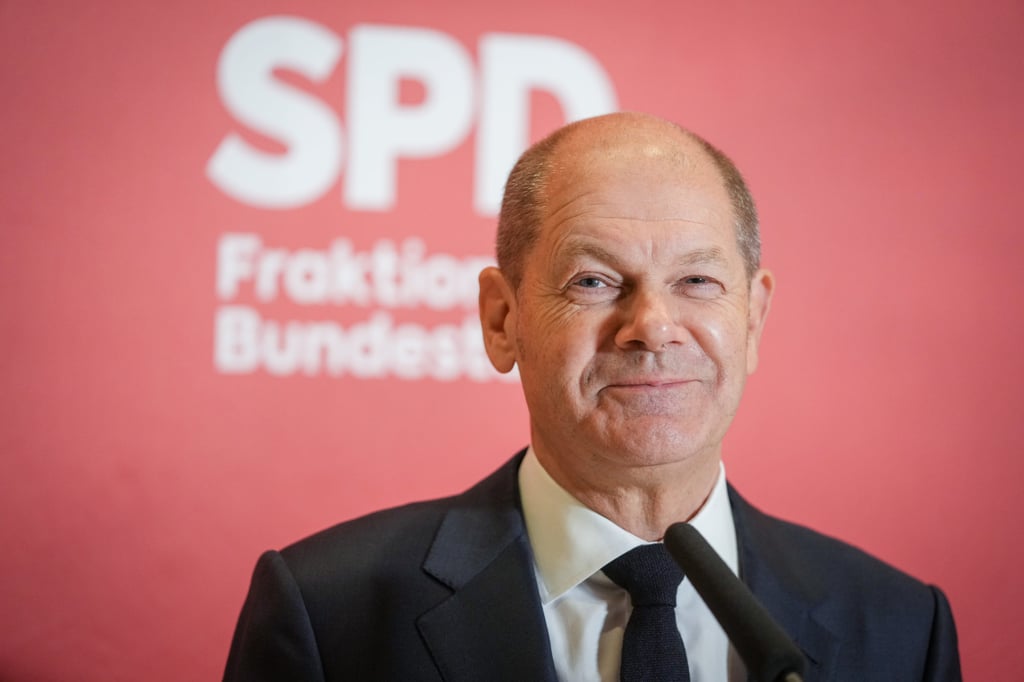
The new government will put climate protection front and centre, pushing for investment in new technologies and upgrading Germany’s ageing infrastructure. The government plans to exit coal by 2030 – eight years earlier than planned – and accelerate the transition to electric vehicles. It is also likely to become more assertive on the international stage.
Advertisement
The pact secures a majority in the lower house of parliament, which is expected to swear in the new government in early December – after the parties’ members approve the coalition accord.
The three-way alliance – the first time this has been tried on the national level – creates a ruling melange out of policy priorities spanning aggressive investment in climate protection to raising minimum wages and clamping down on debt spending.
The new government will have little time to settle in. Germany’s Covid-19 outbreak is surging out of control, geopolitical tensions are escalating over Russia’s military build-up on its border with Ukraine, and the European Union is battling with the fallout from Brexit and disputes on its eastern flank.
Advertisement
Advertisement
Select Voice
Select Speed
1.00x