Coronavirus: Germany hits 100,000 deaths amid political leadership upheaval and ‘complacency’
- Germany’s health care system is bracing for an influx of coronavirus patients as confirmed cases hit fresh daily high while political leadership flounders
- Political leaders being blamed for Germany’s Covid-19 infection rates rising, as well as widespread resistance to vaccine

Germany is set to mark 100,000 deaths from Covid-19 this week, passing a sombre milestone that several of its neighbours crossed months ago, but which western Europe’s most populous nation had hoped to avoid.
Teutonic discipline, a robust health care system and the roll-out of multiple vaccines – one of them home-grown – were meant to stave off a winter surge of the kind that hit Germany last year.
Yet complacency and a national election, followed by a drawn-out government transition, saw senior politicians dangle the prospect of further lifting restrictions even as Germany’s infection rate rose steadily this autumn.
“Nobody had the guts to take the lead and announce unpopular measures,” said Uwe Janssens, who heads the intensive care department at the St. Antonius hospital in Eschweiler, west of Cologne. “This lack of leadership is the reason we are here now.”
Doctors like Janssens are bracing for an influx of coronavirus patients as confirmed cases hit fresh daily highs that experts say is also being fuelled by vaccine sceptics.
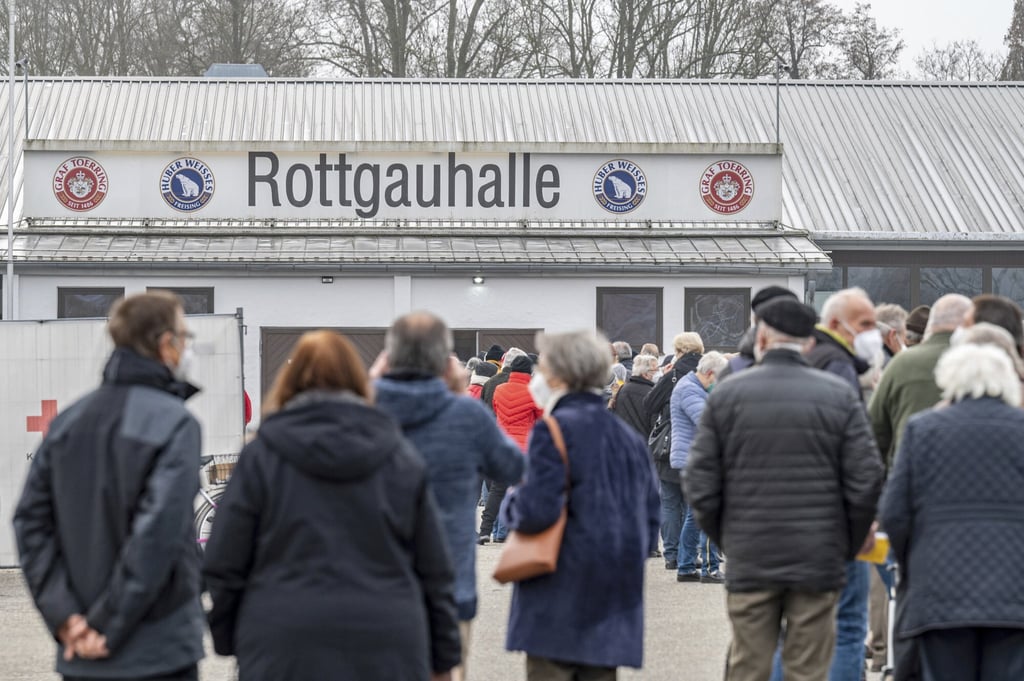
Resistance to getting the shot – including the one developed by German company BioNTech together with its US partner Pfizer – remains strong among a sizeable minority of the country. Vaccination rates have stalled at 68 per cent of the population, far short of the 75 per cent or higher that the government had aimed for.