UK minister backs reduced Covid-19 isolation period to ease workforce pressures
- Reducing self-isolation period from seven to five days would help sectors badly affected by absences, says education minister Nadhim Zahawi
- Teacher absences could rise further, he says, and government ‘doing all it can to ensure health service can operate over rocky few weeks’

Reducing the self-isolation period for people who test positive for Covid-19 from seven days to five would help British employers that have been hard hit by absences, education minister Nadhim Zahawi said on Sunday.
The Omicron variant is still spreading in Britain and many businesses, schools and hospitals are struggling with staff shortages, fuelling calls for the rules on isolation after a positive test to be reduced further.
Last month, health authorities in the United States shortened the recommended isolation time for asymptomatic cases of Covid-19 to five days from the previous guidance of 10 days.
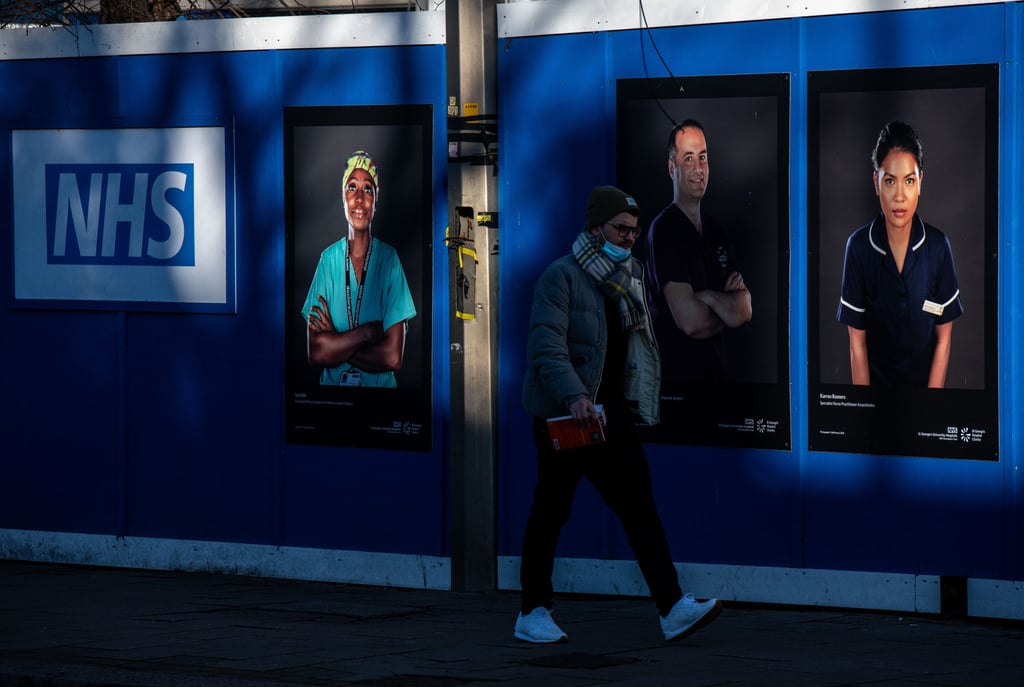
“I would obviously always defer to the scientific advice on this. It would certainly help mitigate some of the pressures on schools, on critical workforce and others,” Zahawi told Sky News after being asked whether he backed a move to five days.
He said the UK Health Security Agency was reviewing the length of the isolation period and the government was doing all it could to make sure the stretched health service could operate during what he called “a rocky few weeks”.
Teacher absences in schools stood at 8.5 per cent and could rise further, he said, adding his department was drafting contingency plans for absenteeism of up to 25 per cent, including asking retired teachers to help out.
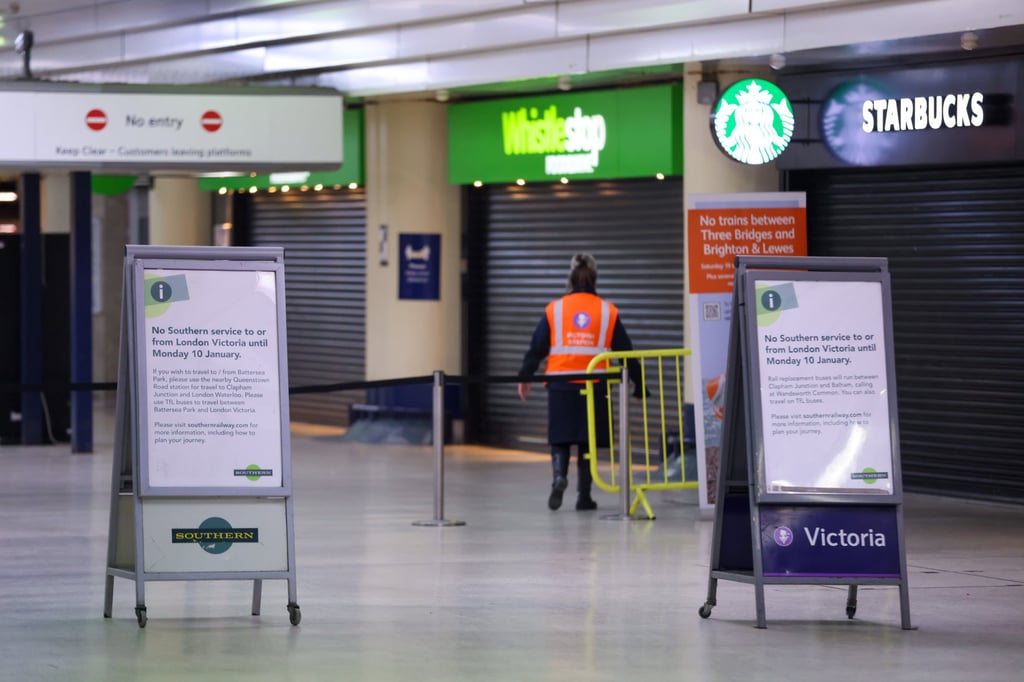
On Saturday, Britain’s official death toll in the pandemic rose above 150,000, following a record wave of cases caused by the Omicron variant, prompting Prime Minister Boris Johnson to renew his call for people to get vaccinated.