How Italy’s generous green homes scheme turned ‘wicked’
- ‘Superbonus’ scheme was introduced to boost economy after Covid-19 lockdown and help make homes more energy efficient, but has so far cost Italy more than €60 billion
- Government describes situation as ‘out of control’, with the scheme having led to fraud worth €9 billion, amid fears it could send deficit soaring

An Italian scheme to make homes more energy efficient has been wildly popular, but the government is seeking to rein in its “out of control” costs amid fears it could send the deficit soaring.
The “superbonus” scheme, which can be used for anything from insulation to solar panels, new boilers and windows, was introduced in May 2020 to boost the economy after the coronavirus lockdown.
Environmentalists were sceptical about its benefits but Italians rushed to take advantage of the programme, in which the state paid 110 per cent of the cost of making homes greener, with the subsidy delivered via a tax credit or tax reduction.
As intended, it boosted the construction sector – but it has so far cost the state €61.2 billion (US$64.8 billion), according to the finance ministry.
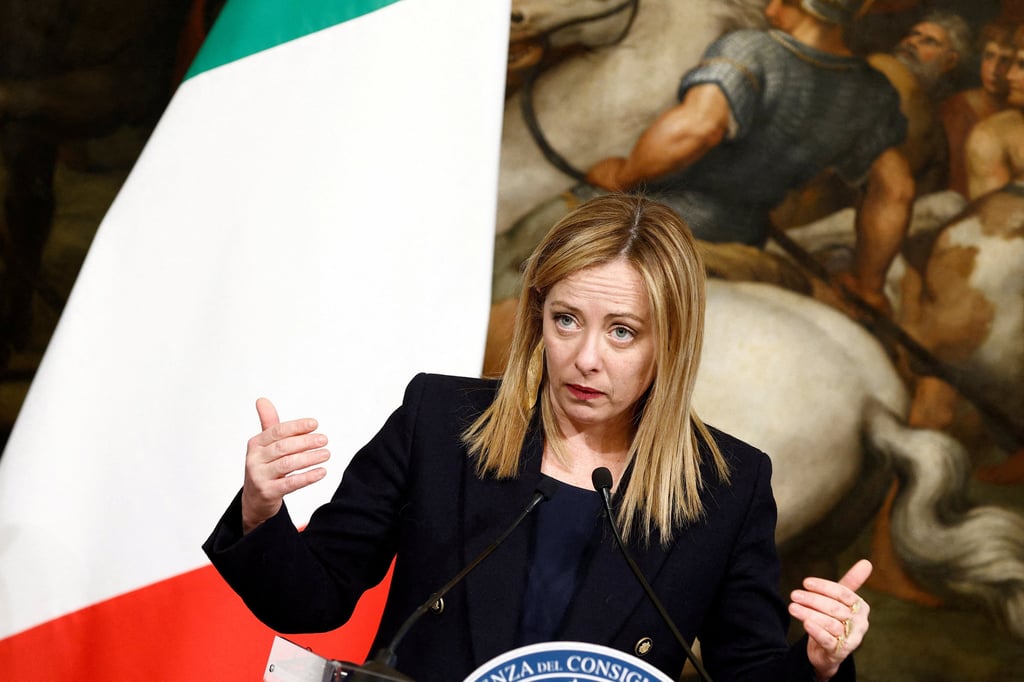
Prime Minister Giorgia Meloni, whose coalition government took office in October, said last weekend the situation was “out of control”.
She said the scheme had led to fraud worth €9 billion, while the tradeable nature of the tax credits had “generated a sort of parallel currency, and that parallel currency risks having a devastating impact on the budget”.
Finance Minister Giancarlo Giorgetti went further, describing it as a “wicked policy”.