Anti-racists slam blackface use in Spain’s Epiphany parades
- The practice of parade participants painting their faces black with exaggerated, red-painted lips tarnishes the memory of enslaved people and disempowers black children, says black politician Rita Bosaho
- Activists say there is a ‘lack of political will to tackle racism’ but people defending the use of blackface in the parades say they mean no harm and are just continuing a tradition

Anti-racism activists in Spain have called for a ban on the use of blackface seen in many of the country’s traditional Epiphany celebrations.
Rita Bosaho, the first black woman in Spain’s parliament, said the practice – part of annual January 5 parades on the eve of Epiphany that depict the biblical Three Kings who brought gifts to Jesus – tarnished the memory of enslaved people and disempowered black children.
In the parades, actors portraying the kings, or Magi, ride past on floats and fling sweets, which are eagerly scooped up by children. Early Christian texts describe one of the kings, Balthazar, as African and Renaissance paintings often depict him as black.
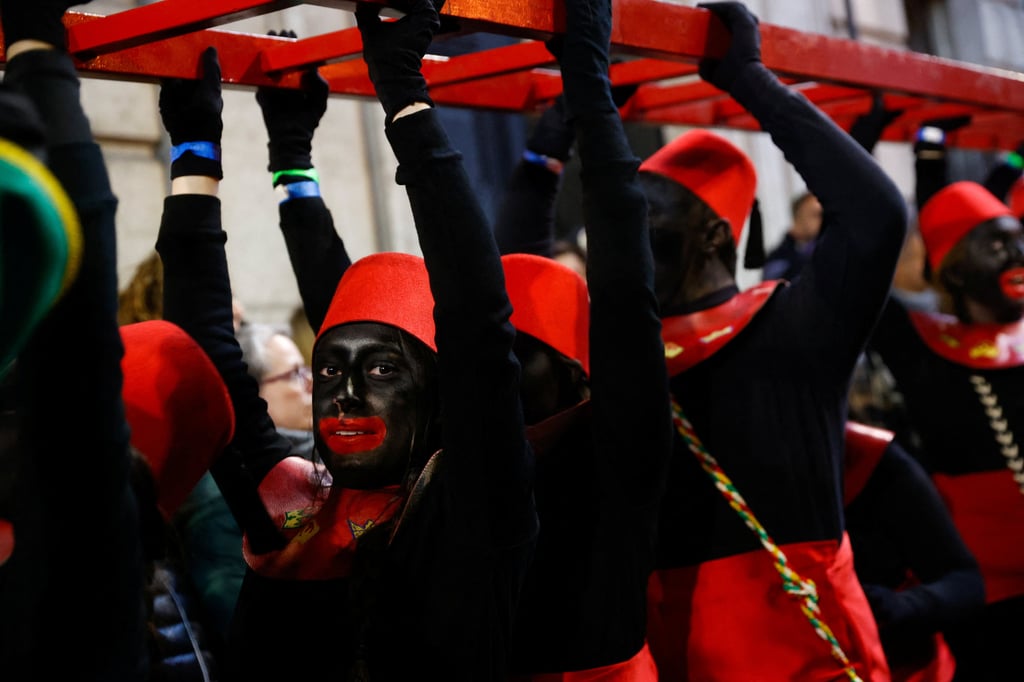
In the eastern town of Alcoy that has a long tradition of the parades, dozens of people acting the role of pages accompanied the kings in Friday’s event, their faces painted black and with exaggerated, red-painted lips. Some ran along the edge of the crowd high-fiving children.
Bosaho, who led the Equality Ministry’s racial diversity department from 2020 to 2023, said the use of blackface in the parades persisted because of a lack of debate on racism that she said permeated Spanish society.
“It sends a message that racism, that our skin doesn’t matter,” Bosaho added.
A spokesperson for the Equality Ministry was unavailable for comment during the holiday period.
A 2021 study commissioned by the Equality Ministry found that although nearly half of people of African descent living in Spain were born in the country, only 12 per cent described themselves as “Afro-Spanish” and 60 per cent said they did not feel Spanish due to discrimination they suffered.