Indian tribes visit UK museum to bring home ancestors’ remains, taken in colonial era
Historians say some of the remains, including skulls, were taken by colonial officers from burial sites and battlefields in Nagaland, with others looted in acts of violence

Tribes from the Indian state of Nagaland have held talks at a museum in Britain to secure the return of ancestral remains taken during the colonial era and put on display for decades.
Skulls and other body parts were often brought from Asia, Africa and elsewhere to Britain and to other former colonial powers as “trophies”, to be traded, displayed or studied.
There are growing calls worldwide for such remains, as well as stolen art, to be returned to their communities as part of a centuries-old movement demanding reparations for colonialism and slavery.
Just last month, skulls of 19 African Americans were returned to New Orleans from Germany, where they were sent for examination by phrenology, the now discredited belief that the shape and size of a head shows mental ability and character, especially when applied to different ethnic groups.
Historians say some of the remains were taken by colonial officers from burial sites and battlefields in Nagaland, where for centuries headhunting was common practice. Others were looted in acts of violence.
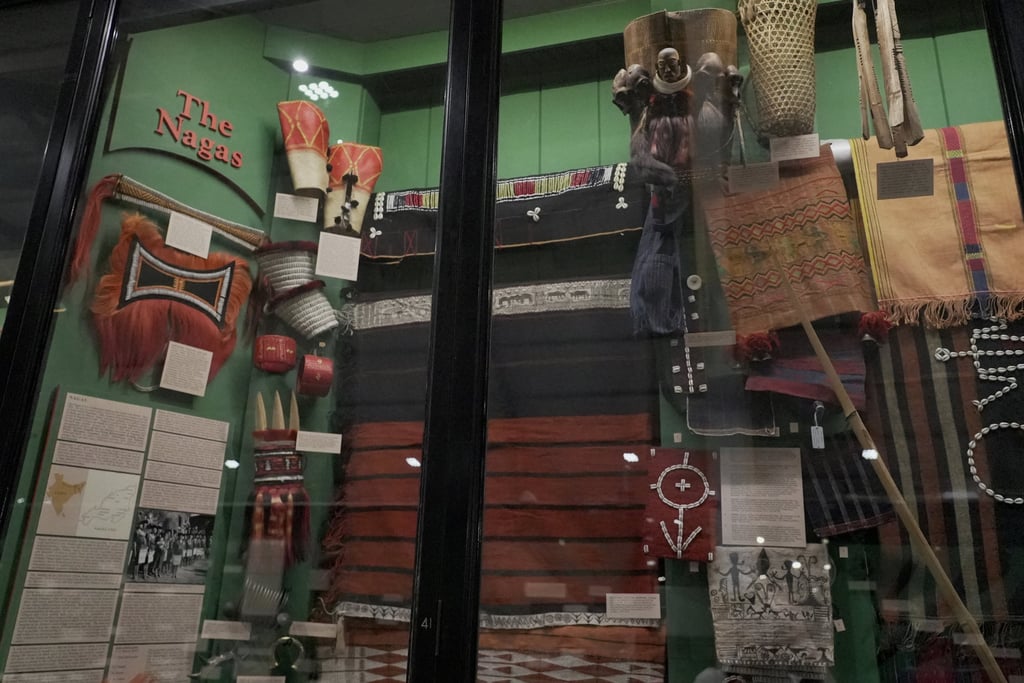
The Pitt Rivers Museum, which displays collections from Oxford University, holds the world’s largest Naga collection, including thousands of artefacts, 41 human remains, primarily skulls, and 178 objects that contain or may contain human hair.