Russia intervened in Syria to prop up President Bashar al-Assad but the relationship between nations dates back 50 years
That friendship dates back to the days of the Soviet Union and has included military and economic cooperation, the trading of arms, people-to-people ties and cultural bonds

Before the White House ordered air strikes in Syria, Russia had been the most dominant outside military force, participating in a bloody military escapade aimed at propping up Syrian President Bashar al-Assad and his government.
Since the fall of 2015, Russia has launched air strikes on opposition strongholds, deployed special forces units on the ground, and supplied Syrian government troops with food and medical aid. And this intervention has been critical to ensuring Assad’s political survival.
“The regime was on the verge of collapse,” said Matthew Rojansky, director of the Washington-based Kennan Institute at the Woodrow Wilson Centre and an expert on US relations with the states of the former Soviet Union.
“Assad had lost almost everything. He was really on the ropes. Compare that to today, when he’s even been emboldened enough to use chemical weapons, and it’s clear the effect Russia’s assistance has had in the last year-and-a-half.”
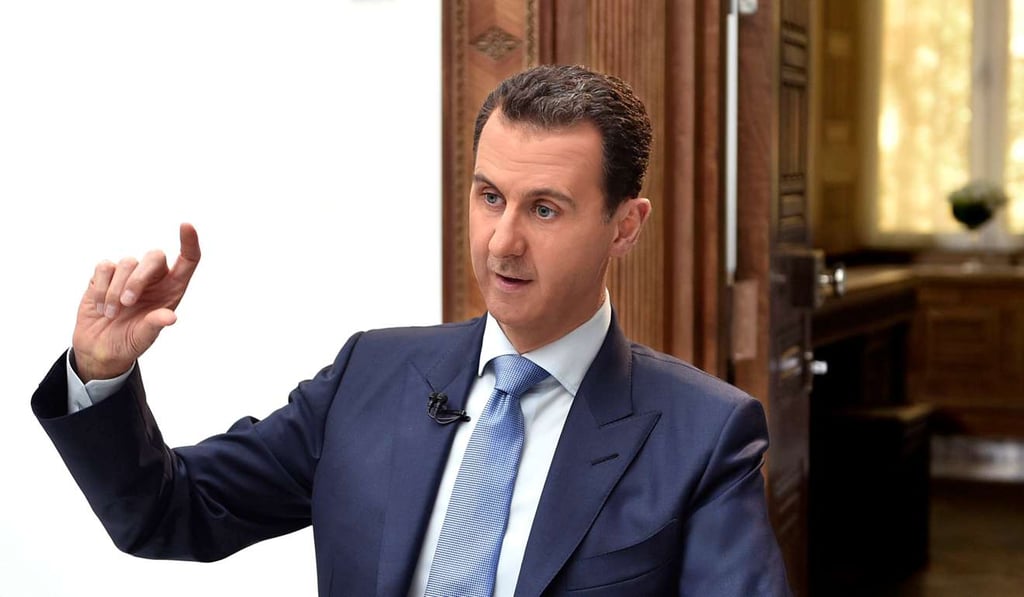
It “has really enabled the Syrian armed forces to reverse the losses they were suffering at that point,” said Daniel Treisman, a professor of political science at the University of California, Los Angeles, whose work includes a focus on Russian politics and economics and comparative political economy. “Russian military involvement has succeeded in at least temporarily stabilising the situation, allowing the Assad regime to win back territory that had been taken by the rebels.”