Chador in, hijab out: critics take aim at Iran leader Rowhani after vice-president swaps wardrobe at his request
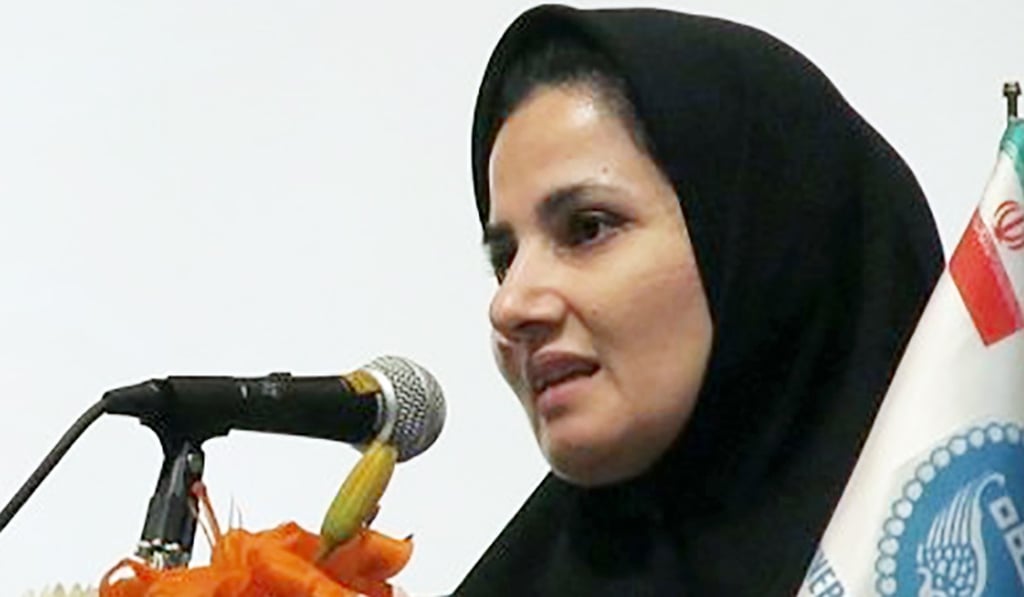
Laaya Joneidi typically used to wear a hijab and a long coat with pants, but switched to the more conservative chador

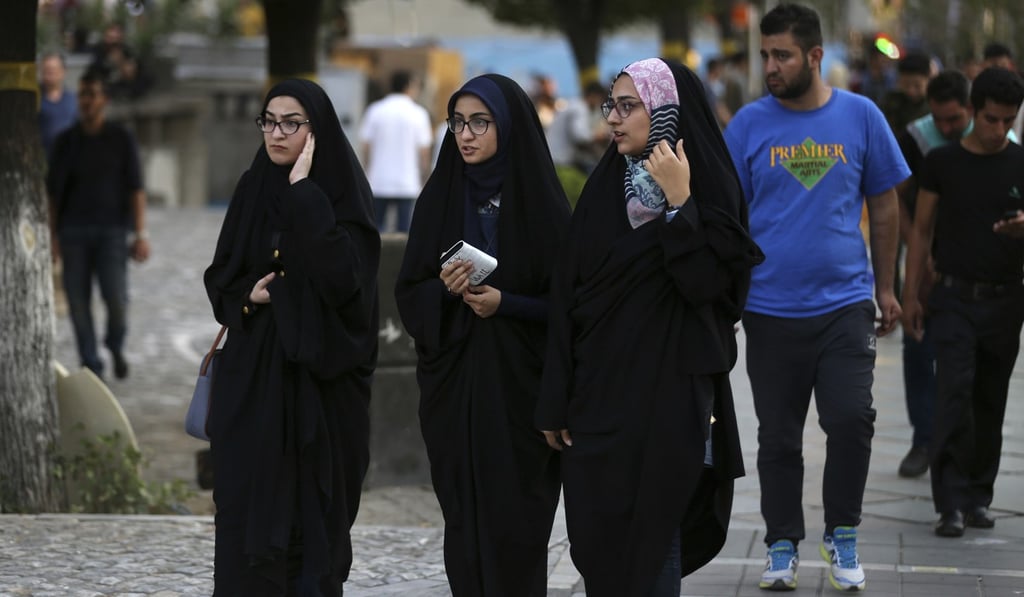
Just a couple of weeks into her appointment, the new Iranian vice-president’s decision to abandon her fashion style for the all-encompassing black chador has raised questions among women in the Islamic Republic, especially after she said President Hassan Rowhani personally asked her to wear the traditional women’s garment.
Although Laaya Joneidi typically used to wear a hijab – the headscarf that is mandated by law in today’s Iran – and a long coat with pants, her switch to the more conservative chador served as a political statement. And after Rowhani failed to nominate any women to serve as ministers in his cabinet, some have questioned the moderate cleric’s campaign promise to bring more women into the government.
“Not only could Rowhani not appoint a woman minister, but also he could not appoint a vice-president who does not wear the chador either and forced her to wear the chador,” tweeted Hamid Mashayekhi Rad, an Islamic seminary student and activist.