Analysis | Conquest of Islamic State ‘capital’ Raqqa may herald wider struggle for US-backed forces
‘The real challenge is that ISIS will turn into a vengeful ghost, trying to stalk and wreak havoc on post-conflict security and governance’

The defeat of Islamic State in its de facto capital Raqqa may only be the start of a wider struggle by the United States to contain any insurgency launched by the militant group and to stabilise the region, as Washington struggles to define a comprehensive strategy in Syria.
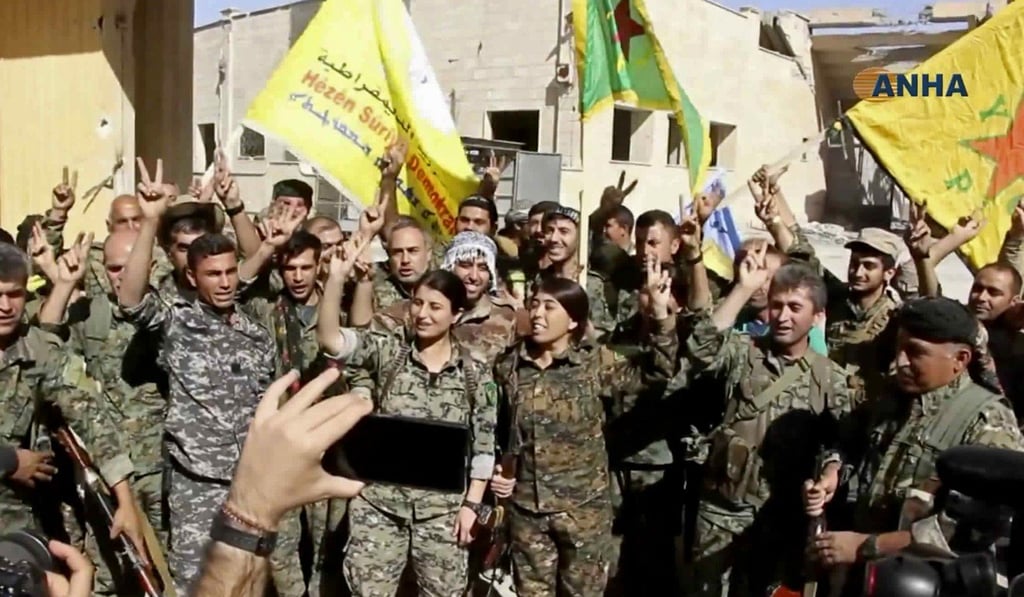
US-backed Kurdish militias declared victory over Islamic State in Raqqa on Tuesday, raising flags over the last jihadist footholds after a four-month battle. The Sunni militant group often referred to as ISIS, overran Raqqa in January 2014, seizing control from rebel factions opposed to the rule of Syrian President Bashar al-Assad.
“While recapturing Raqqa is important symbolically, talk about almost a pyrrhic victory,” said Bilal Saab, a senior fellow at the Middle East Institute. “Addressing the economic, political grievances of the Sunnis so that another ISIS doesn’t come about will be as important as the military fight.”
Raqqa was the first big city Islamic State captured, before its rapid series of victories in Iraq and Syria brought millions of people under the rule of its self-declared caliphate, which passed laws and issued passports and money.