Analysis | Nightmare scenarios often begin in Jerusalem – so why would Trump trash delicate global consensus on the holy city?
The history of Jerusalem is inextricably bound to the bigger picture of the Middle East conflict

Of all the issues at the heart of the enduring conflict between Israel and the Palestinians, none is as sensitive as the status of Jerusalem.
The holy city has been at the centre of peacemaking efforts for decades. Donald Trump’s approach to it threatens to smash a long-standing international consensus in a disruptive and dangerous way.
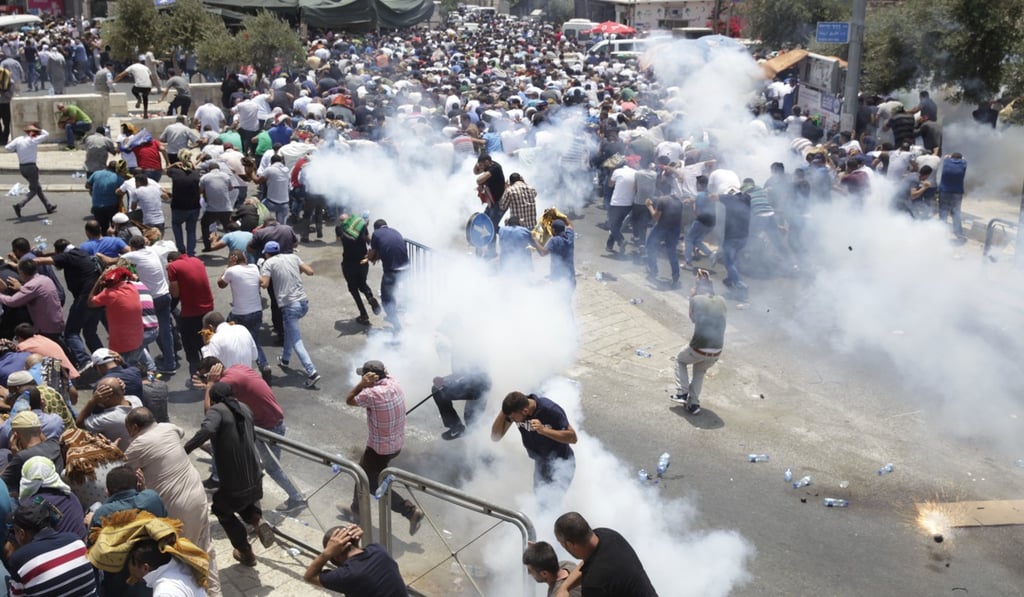
A senior White House official has said Trump will on Wednesday announce that the US recognises Jerusalem as the capital of Israel and will move its embassy there. But the pressure to refrain from doing either is mounting and widespread. The risks are high.
[It could be] exploited by terrorists to stoke anger, frustration and desperation in order to spread their ideologies
Israel routinely describes the city, with its Jewish, Muslim and Christian holy places, as its “united and eternal” capital. But its history is inextricably bound up with the bigger picture of the conflict. Seventy years ago, at the violent end of British rule, when the UN voted to partition Palestine into Jewish and Arab states, Jerusalem was defined as a separate entity under international supervision.
Hard facts on the ground dictated otherwise. In the war of 1948 it was divided, like Berlin in the cold war, into western and eastern sectors under Israeli and Jordanian control respectively. Nineteen years later, in June 1967, Israel captured the eastern side, expanded the city’s boundaries and annexed it – an act that was never recognised internationally.