Shah-in-waiting? Exiled Iranian royal sees chance to end the Islamic Republic

Reza Pahlavi concentrates intently on the little cellphone in his hand, scrolling through clips of chanting Iranians and explaining why the protests unsettling his homeland are different this time. Even as the latest reports suggest the unrest may be ebbing, the scion of Persia’s 2,500-year-old monarchy believes Iran’s people are writing a new future for themselves, and perhaps for their exiled son.
“We all know that regime change is the ultimate formula,” said Pahlavi, the son of the last shah before the 1979 Islamic Revolution and a harsh critic of the clerical rulers that have dominated Iran ever since. “But that’s what the Iranian people are asking. It’s not going to be because the US says so, or the British say so, or the Saudis say so, or the Israelis say so. It’s because it’s what the Iranian people want.”
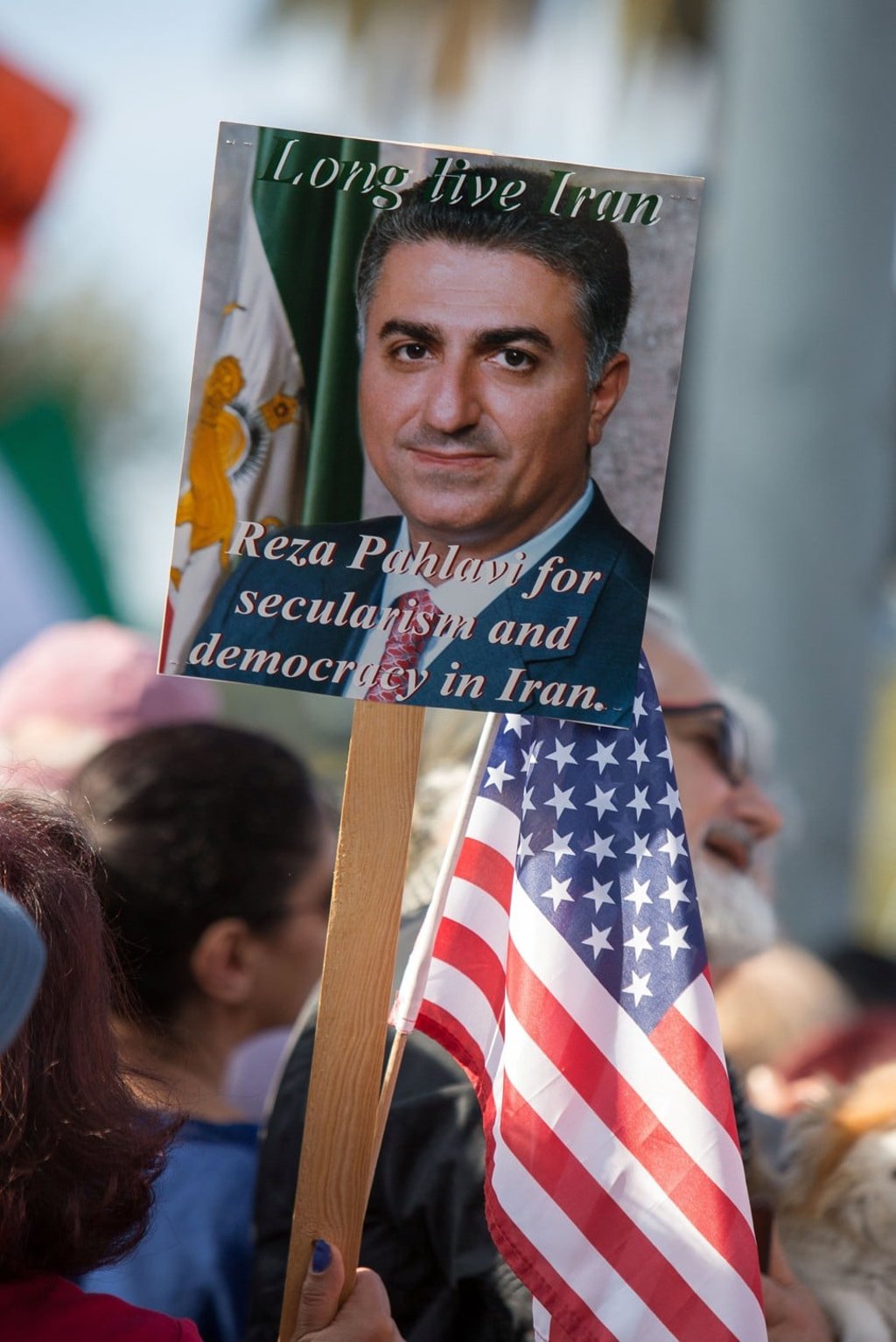
For Pahlavi, who advocates replacing Tehran’s theocracy with a pluralist, parliamentary democracy, the demonstrations that have rocked cities across Iran the last two weeks aren’t about egg prices, unemployment or economic opportunity. They’re about the nation’s greater grievance with its entire political system.
In an interview, Pahlavi cast the current discontent as more threatening to the Islamic Republic’s survival than the violence that followed disputed elections in 2009 – when Iranians clashed over the direction of a government that would in any scenario be undemocratic and corrupt, and opposed to human rights and the separation of state and religion.
“The time has really come for a massive coalition,” Pahlavi said in Washington, where he says he’s trying to help Iranian activists, human rights advocates, union leaders, journalists and students pull in a broader pool of citizens in defiance of Ayatollah Ali Khamenei, Iran’s supreme leader, and the clerics and officials comprising the country’s ruling establishment.
“These are usurpers that have invaded the country, taken us hostage and we shall get our country back. Today is the time,” he declared, describing his part – at least for now – as carrying the flag of the protesters’ cause with Western countries like the United States to intensify their responses and consider new sanctions on Iran’s leaders and their assets.