‘Everything comes from outside’: Afghan artisans struggle to compete with cheap Chinese imports
Only decades ago, the textile industry was on par with Afghanistan’s legendary carpet trade, famed since the days of the old Silk Road

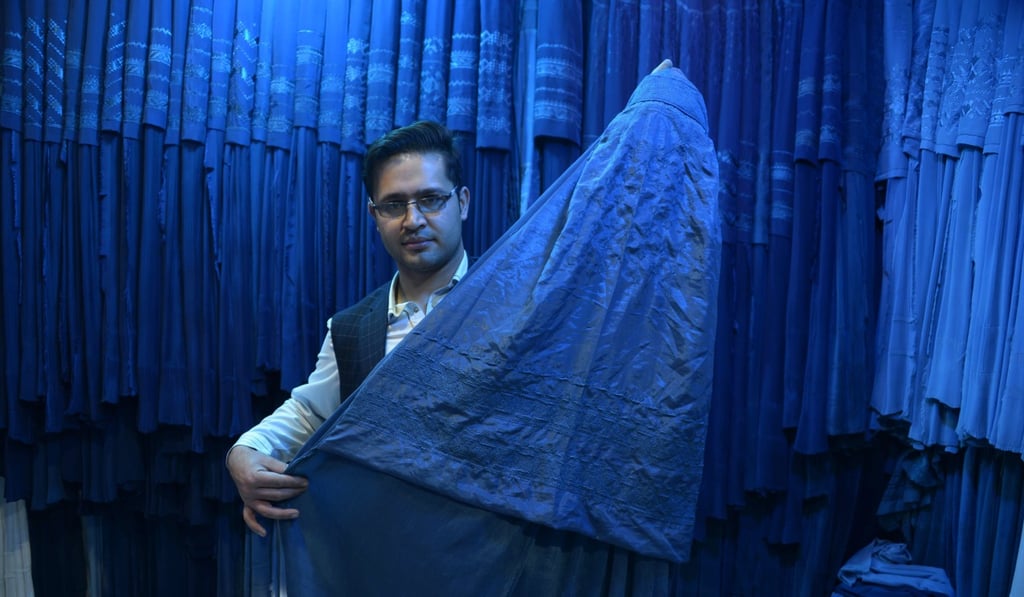
Cheap, Chinese-made nylon burkas are flooding Afghanistan’s north as consumers turn to affordable, mass-produced fabrics – but in Kabul a small, determined fashion house is fighting to preserve the traditional textiles once integral to Afghan culture.
Launched in 2006, Zarif – which means “precious” in Persian – commissions traditional cotton and silk from artisanal weavers, then employs more than two dozen people – mostly women – to tailor and design the fabrics into handcrafted, embroidered clothing.
But with cheaper imports saturating the market, they are struggling to keep local traditional methods afloat, says founder Zolaykha Sherzad.
Only decades ago, the textile industry was on par with Afghanistan’s legendary carpet trade, famed since the days of the old Silk Road.
During its heyday textiles were more than just fabrics, with their patterns, colours and embroidery illuminating the origins and tribal history of their makers.