Rain of terror: Egypt to crack down on ‘fake’ weather reports
Planned law would punish anyone talking about meteorology or using a weather forecasting device without consent

Donald Trump may routinely rail against the “fake news media”, but Egypt is going one better by cracking down on “fake” weather reports.
The head of the Egyptian Meteorological Association has said it is the only government body authorised to make predictions about the country’s weather, and is preparing a draft law to ban unauthorised forecasts.
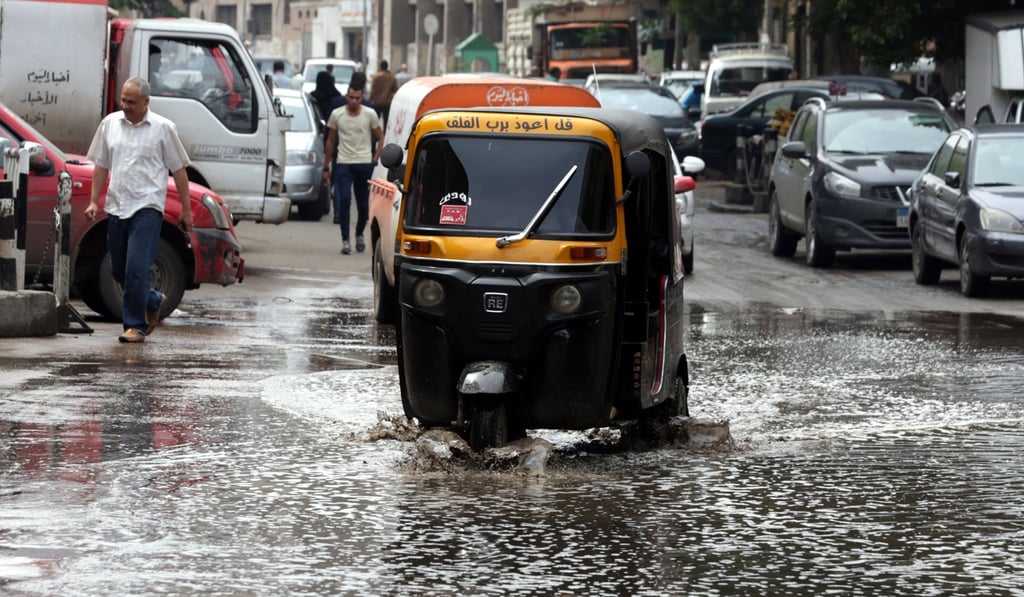
Egypt’s media operates in a climate of increasing pressure on journalists, with frequent accusations of fake news levelled at reporters and outlets, even those reporting in favour of the state. But false reports about the weather are very rare, except perhaps for the annual repetition of doctored photos showing snow covering the pyramids of Giza and the nearby sphinx.
Weather reports have occasionally become political, however, such as a 2015 claim by Egypt’s interior ministry that flooding in the coastal city of Alexandria was caused not by infrastructural failings, but members of the banned Muslim Brotherhood blocking drains with cement.
Timothy E Kaldas of the Tahrir Institute for Middle East Policy, a think-tank, said: “Regardless of whether or not this proposed law affects anything, it reflects the government’s view that it has a right to regulate any and all information, even information that should be a product of apolitical scientific analysis.”