The haj pilgrimage in Saudi Arabia: history, rituals and their significance in Islam
Every Muslim is required to complete the haj at least once in their lifetime if they have the means to do so

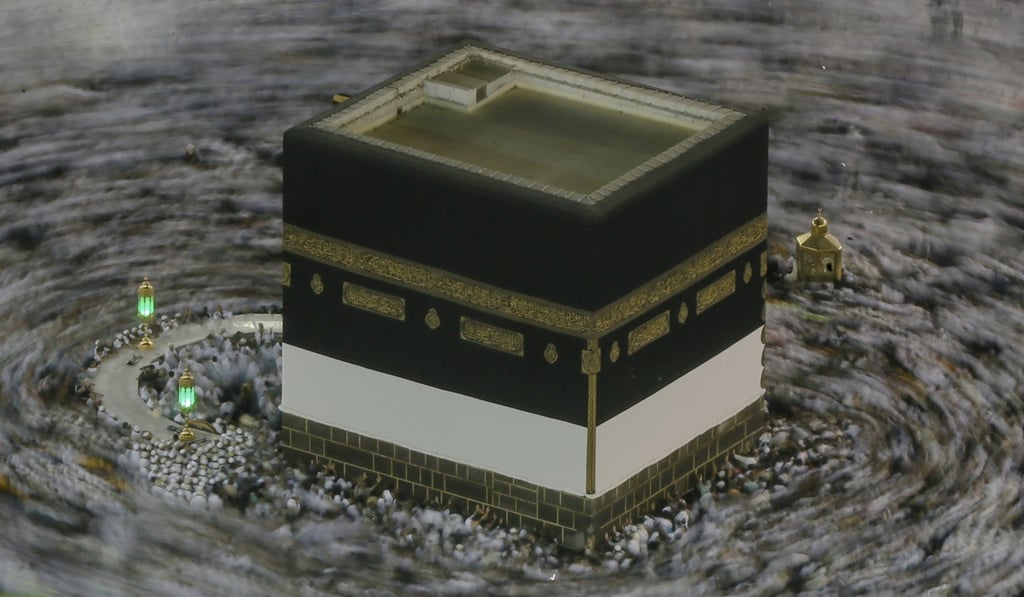
More than two million Muslims from around the world are beginning the five-day haj pilgrimage on Sunday. They will circle Islam’s most sacred site, the cube-shaped Kaaba in the Saudi Arabian city of Mecca, and take part in a series of rituals intended to bring about greater humility and unity among Muslims.
Here’s a look at the pilgrimage and what it means for Muslims:
What is the purpose of the haj?
The haj is one of the five pillars of Islam, and all able-bodied Muslims are required to perform it once in their lifetime. The haj is seen as a chance to wipe clean past sins and start fresh. Many seek to deepen their faith on the haj, with some women taking on the Islamic hair covering known as “hijab” upon returning.
Despite the physical challenges of the haj, many people rely on canes or crutches and insist on walking the routes. Those who cannot afford the haj are sometimes financed by charities or community leaders. Others save their entire lives to make the journey. A few even walk thousands of miles by foot to Saudi Arabia, taking months to arrive.
What is the history of the haj?
While following a route the Prophet Muhammad once walked, the rites of haj are believed to ultimately trace the footsteps of the prophets Ibrahim and Ismail, or Abraham and Ishmael as they are named in the Bible.