Israeli scientists recreate skull of Neanderthal cousin using DNA
- The genetic material for the project came from the finger bone of a female member of an extinct group of archaic humans known as the Denisovans
- Modern-day humans did not evolve from Denisovans or Neanderthals, but our species interbred with both and picked up some genetic markers

Scientists say they have deciphered features of the skull and some other details of a mysterious, extinct cousin of Neanderthals by analysing its DNA.
The genetic material came from the finger bone of a female member of the Denisovans, a population known mostly from small bone fragments and teeth recovered in Siberia’s Denisova Cave.
Modern-day people did not evolve from Denisovans or Neanderthals, although our species interbred with both and picked up genetic markers that are still detectable in some populations.
The new work used DNA data from two Neanderthals, five ancient and 55 present-day members of our own species, and five chimpanzees, in addition to the Denisovan finger bone. Results were reported on Thursday in the journal Cell by Liran Carmel of the Hebrew University of Jerusalem and others.
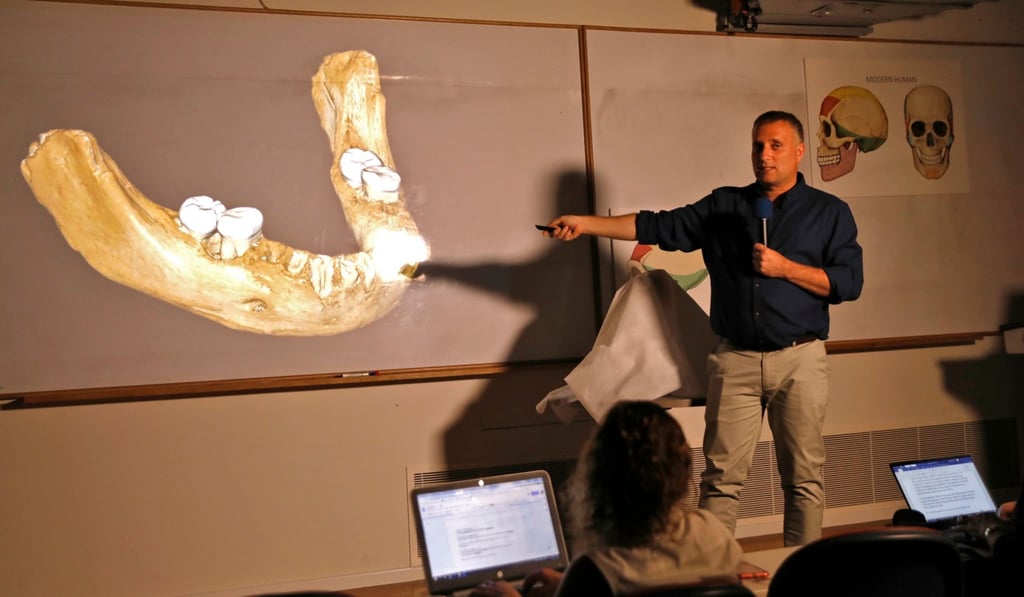
They looked for differences in activity levels for specific genes that could affect anatomical traits, which in turn hinted at differences in appearance for those traits. They identified 32 traits that gave clues to the Denisovan skeleton.