Lebanon Prime Minister Saad al-Hariri resigns as crisis turns violent
- Announcement comes after Hezbollah supporters attack and destroy camp set up by anti-government demonstrators in Beirut
- Country rocked by protests as it faces worst economic crisis since 1975-90 civil war

Saad al-Hariri resigned as Lebanon’s prime minister on Tuesday, declaring he had hit a “dead end” in trying to resolve a crisis unleashed by huge protests against the ruling elite and plunging the country deeper into turmoil.
The move by the leading Sunni politician points to rising political tensions that may complicate the formation of a new government able to tackle Lebanon’s worst economic crisis since its 1975-90 civil war.
The resignation of Hariri, who has been traditionally backed by the West and Sunni Gulf Arab allies, raises the stakes and pushes Lebanon into an unpredictable cycle. Lebanon could end up further under the sway of the Iranian-backed Hezbollah, making it even harder to attract badly needed foreign investment.
It also defies Hezbollah, which had wanted him to stay on. Hariri is seen as the focal point for Western and Gulf Arab aid to Lebanon, which is in dire need of financial support promised by these allies.
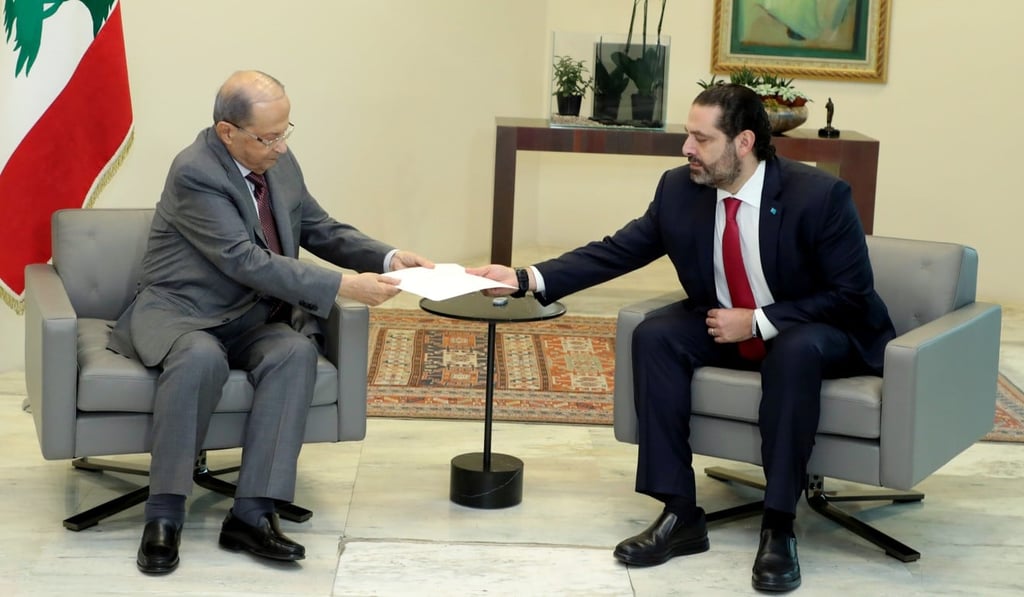
Hariri addressed the nation after a mob loyal to the Shiite Muslim Hezbollah and Amal movements attacked and destroyed a protest camp set up by anti-government demonstrators in Beirut.
It was the most serious strife on the streets of Beirut since 2008, when Hezbollah fighters seized control of the capital in a brief eruption of armed conflict with Lebanese adversaries loyal to Hariri and his allies.