Missiles used in last year’s Saudi attacks came from Iran, UN says
- Yemeni Houthi rebels claimed responsibility for the attack at the crude processing plant in Afif in May last year

Cruise missiles that slammed into a Saudi oil complex last year likely came from Iran, the United Nations concluded in a confidential report, supporting US allegations that the Tehran government was behind the attack, which sent tremors through global energy markets and shook the kingdom.
The UN found that the weapons used in that attack and others were of “Iranian origin”, Secretary-General Antonio Guterres said in the semi-annual report sent on Thursday to the Security Council that was seen by Bloomberg. Guterres also pointed out that “these items may have been transferred in a manner inconsistent with” UN resolutions.
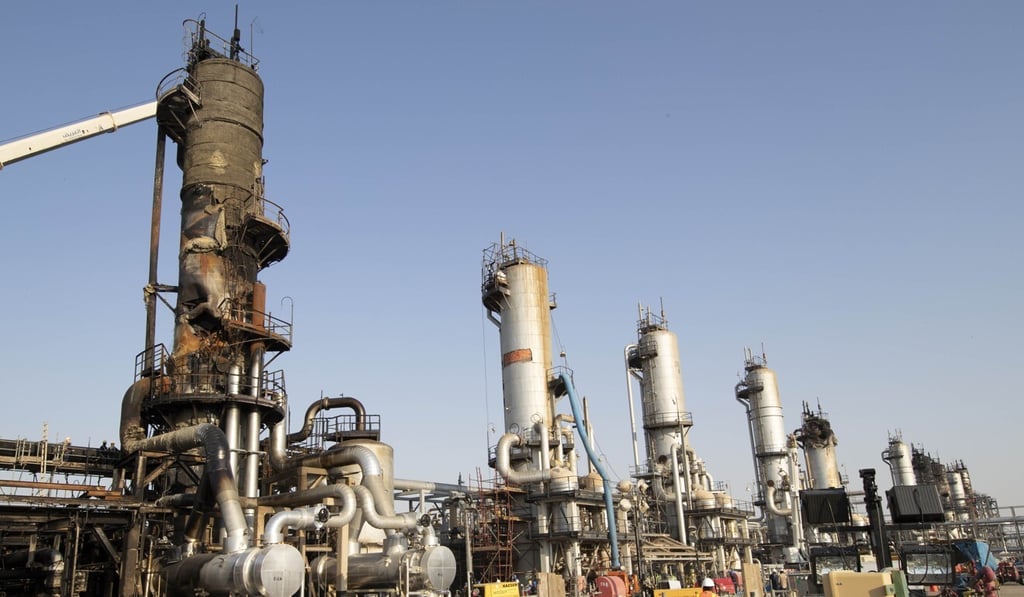
Missiles and a swarm of drones set off fires at the crude processing plant in Afif in May 2019, causing extensive damage. The Houthi rebels in Yemen, who have been battling a Saudi-led coalition in that country’s civil war, claimed responsibility. But once the planning and military sophistication that went into the assault became apparent, suspicion quickly shifted to the Iranians, who have been supporting the Houthis.
Investigators analysed the debris of the cruise missiles and drones in that attack and attacks on the Abha International Airport in southwestern Saudi Arabia that June and August; and in Abqaiq and Khurays that September.
The investigators concluded that the delta-wing drones deployed in the attacks were of Iranian origin. The engines on those aircraft showed similarities to an Iranian engine designated as Shahed 783, presented by Iran in a military exhibition in May 2014, the UN said.