Iraqis head to polls a year early to cast votes, with little hope for change
- The early vote was held early as a concession to a youth-led popular uprising against corruption and mismanagement
- Iraq’s Prime Minister Mustafa al-Kadhimi, whose chances for a second term will be determined by the results, urged Iraqis to vote in large numbers

Iraqis voted on Sunday in parliamentary elections held months ahead of schedule as a concession to a youth-led popular uprising against corruption and mismanagement.
But the voting was marked by widespread apathy and a boycott by many of the young activists who thronged the streets of Baghdad and Iraq’s southern provinces in late 2019. Tens of thousands of people took part in the mass protests and were met by security forces firing live ammunition and tear gas. More than 600 people were killed and thousands injured within just a few months.
Although authorities gave in and called the early elections, the death toll and the heavy-handed crackdown – as well as a string of targeted assassinations – prompted many who took part in the protests to later call for a boycott of the vote.
Polls closed at 6pm local time following 11 hours of voting. Results are expected within the next 48 hours, according to the independent body that oversees Iraq’s election. But negotiations to choose a prime minister tasked with forming a government are expected to drag on for weeks or even months.
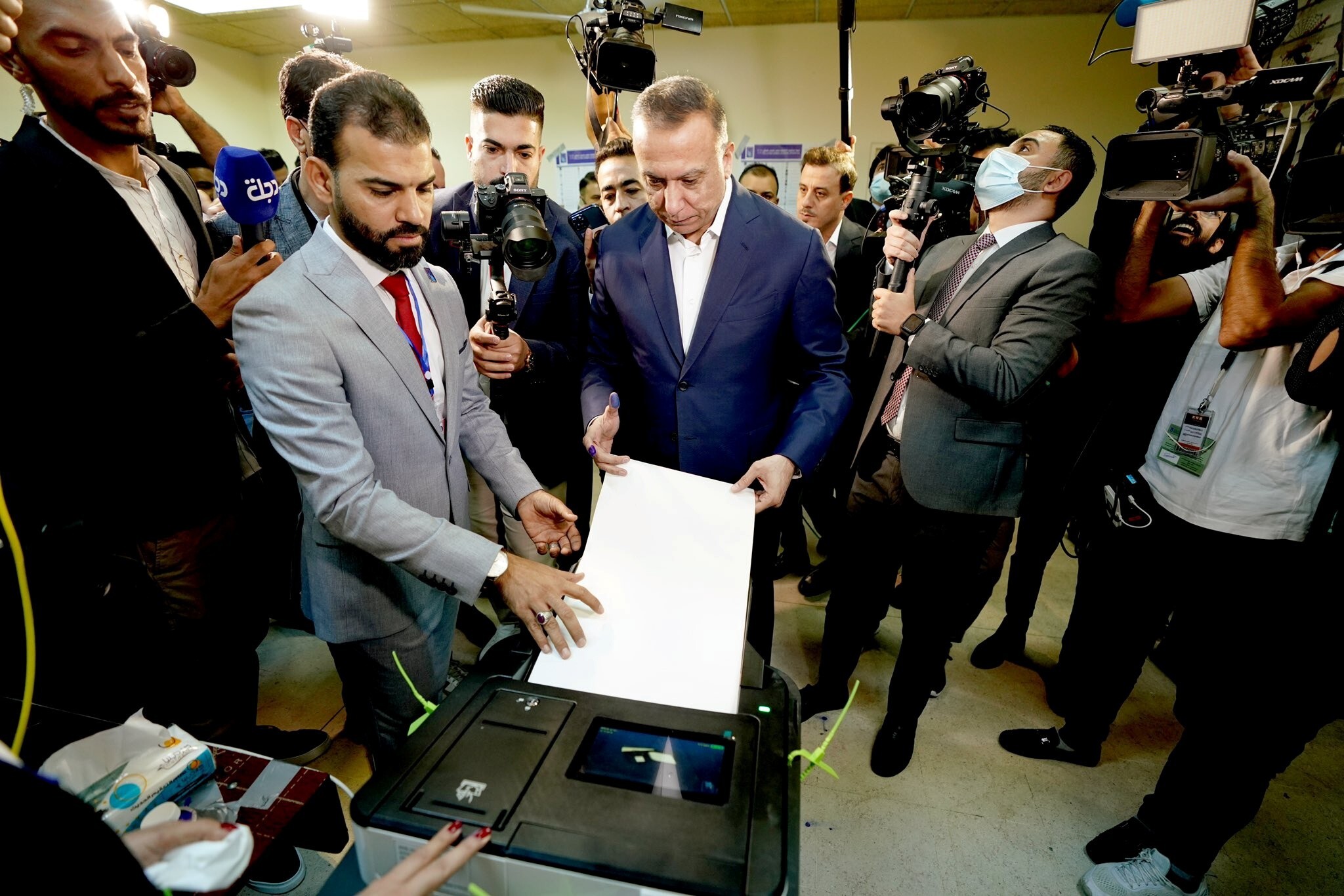
The election was the sixth held since the fall of Saddam Hussein after the US-led invasion of Iraq in 2003. Many were sceptical that independent candidates from the protest movement stood a chance against well-entrenched parties and politicians, many of them backed by powerful armed militias.