Iraq’s ancient treasures sand-blasted by climate change
- Ancient Babylonian treasures are slowly disappearing again under windblown sand in a land parched by rising heat and prolonged droughts
- In the next 10 years, it is estimated sand could have covered 80 to 90 per cent of the archaeological sites, says archaeologist

Iraqi archaeological marvels that have survived millennia and the ravages of war now face a modern threat: being blasted and slowly buried by sandstorms linked to climate change.
Ancient Babylonian treasures, painstakingly unearthed, are slowly disappearing again under windblown sand in a land parched by rising heat and prolonged droughts.
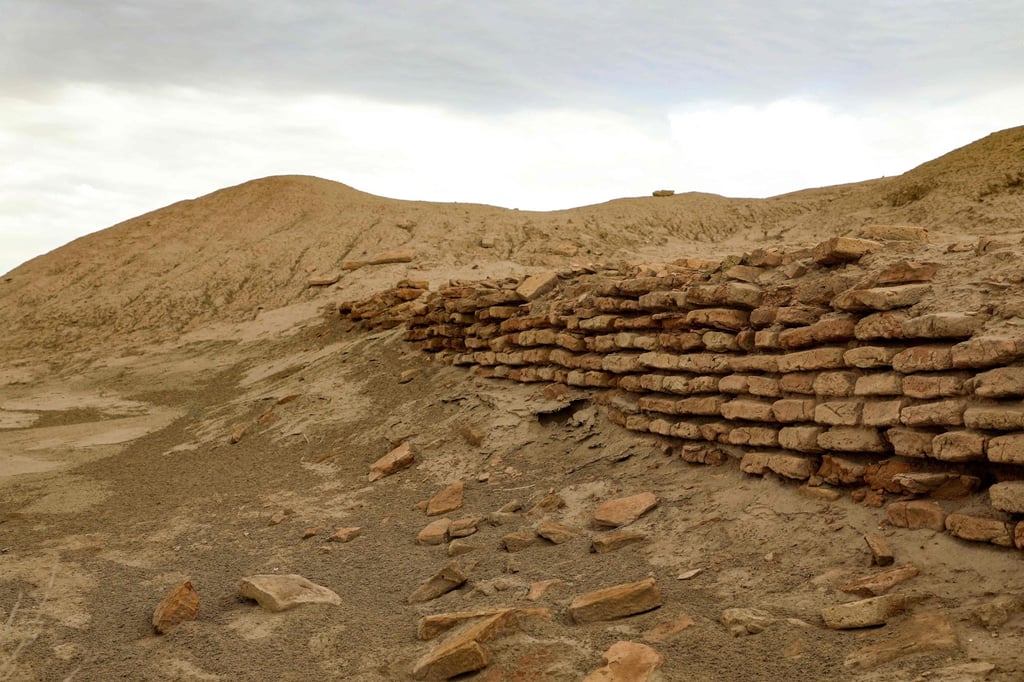
When the storms clear, layers of fine sand cover everything – including the Sumerian ruins of Umm al-Aqarib, “the Mother of Scorpions”, in the southern desert province of Dhi Qar.
Sandstorms have slowly begun to reverse years of work there to unearth the temples’ terracotta facades and many priceless artefacts, said archaeologist Aqeel al-Mansrawi.
Archaeologists in Iraq have always had to shovel sand, but now the volumes are growing.
After a decade of worsening storms, sand at Umm al-Aqarib now “covers a good part of the site”, that dates back to around 2350 BC and spans more than five square kilometres, he said.