War, weather put ocean shippers on notice for rough seas in 2024
- The industry faces the possibility of significant disruptions, from ongoing wars to droughts affecting key routes, increasing delays and raising costs for retailers, food makers
- Added risks include a possible expansion of Red Sea attacks to the Arabian Gulf and further tensions over Taiwan that may affect oil shipments and key trade lanes

Recent hostilities in the Red Sea have thrown global shippers of vital goods for a loop – but it is hardly the only issue that big carriers are facing as 2024 kicks off.
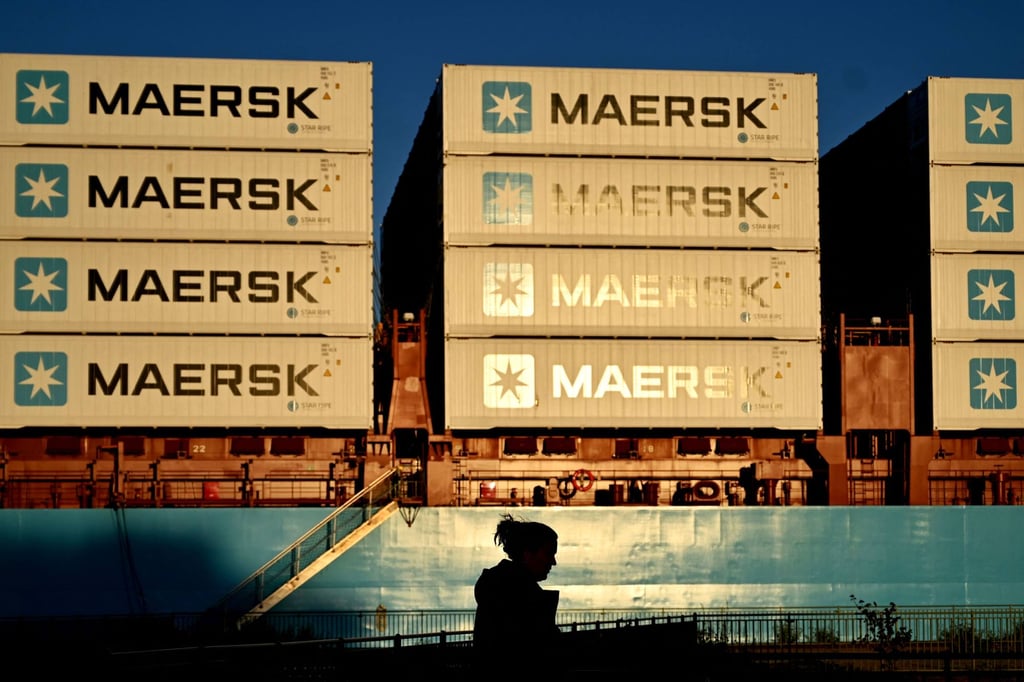
Giants like Maersk say the industry, which handles 90 per cent of global trade, faces the possibility of significant disruptions, from ongoing wars to droughts affecting key routes like the Panama Canal. Complex vessel schedules are likely to be knocked out of sync for giant container ships, fuel tankers and other commodity haulers throughout the year.
That will increase delays and raise costs for retailers like Walmart, Ikea and Amazon, as well as food makers such as Nestle and grocers including Lidl.

“This is seemingly the new normal – these waves of chaos that seem to rise and fall. Before you get back to some level of normalcy another event happens that sort of throws things out of whack,” said Jay Foreman, CEO of Florida-based Basic Fun, who sends toys from factories in China to Europe and the United States.
Added 2024 risks include a possible expansion of Red Sea attacks to the Arabian Gulf, which could affect oil shipments, and further souring of China-Taiwan relations that could also affect important trade lanes, said Peter Sand, chief analyst at freight data provider Xeneta. Russia’s war in Ukraine continues to affect the grains trade since it invaded its neighbour in 2022.
Maersk on Friday joined other major ocean carriers in re-routing ships away from the Red Sea to avoid missile and drone attacks in an area that leads to the vital Asia-Europe Suez Canal shortcut. That route handles more than 10 per cent of total ocean shipments and nearly one-third of the world’s container trade.
While tankers carrying oil and fuel supplies for Europe continue to pass through the Suez Canal, most container ships are re-routing goods around Africa’s southern tip as Yemeni Houthis attack vessels in the Red Sea in a show of support for Palestinian Islamist group Hamas fighting Israel in Gaza.