Why rebel capture of Syria’s Hama, a city with a brutal history, matters
Islamist-led rebels have captured Hama, a city strategically located between Aleppo and President Bashar al-Assad’s seat of power in Damascus

It was one of the darkest moments in the modern history of the Arab world. More than four decades ago, Hafez Assad, then president of Syria, launched what came to be known as the Hama Massacre.
Between 10,000 to 40,000 people were killed or disappeared in the government attack on the central Syrian city. It began on February 2, 1982, and lasted for nearly a month, leaving the city in ruins.
The memory of the government assault and the month-long siege on the city, which at the time was a stronghold of Syria’s Muslim Brotherhood, remains visceral in Syrian and Arab minds.
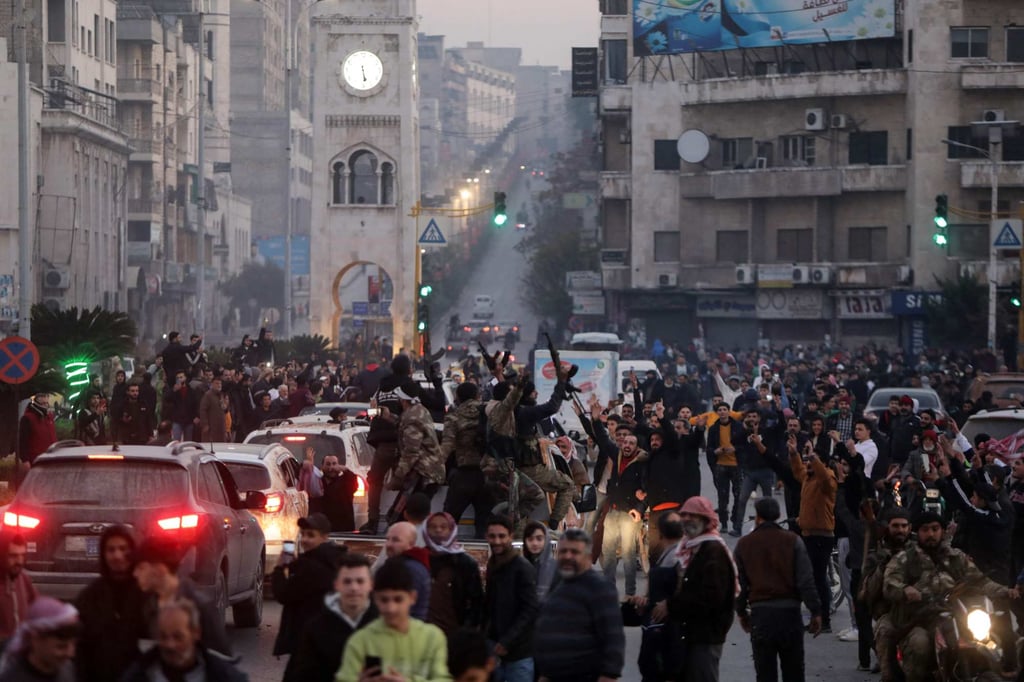
The moment carried great symbolism in Syria’s long-running civil war, which began 13 years ago but many say is rooted in Hama.