Iran’s cheap threat: US$20,000 drones vs US$4 million interceptors
Iran and the US may run low on weapons in a matter of days or weeks. Whoever can last longer will gain a serious advantage

Just several days into the conflict, the Iran war has become attritional. Waves of drone attacks by the Islamic Republic are putting pressure on the defences of the US and its partners from Bahrain to the United Arab Emirates, depleting weapons stockpiles. The outcome of the fight may depend on which side runs out of munitions first.
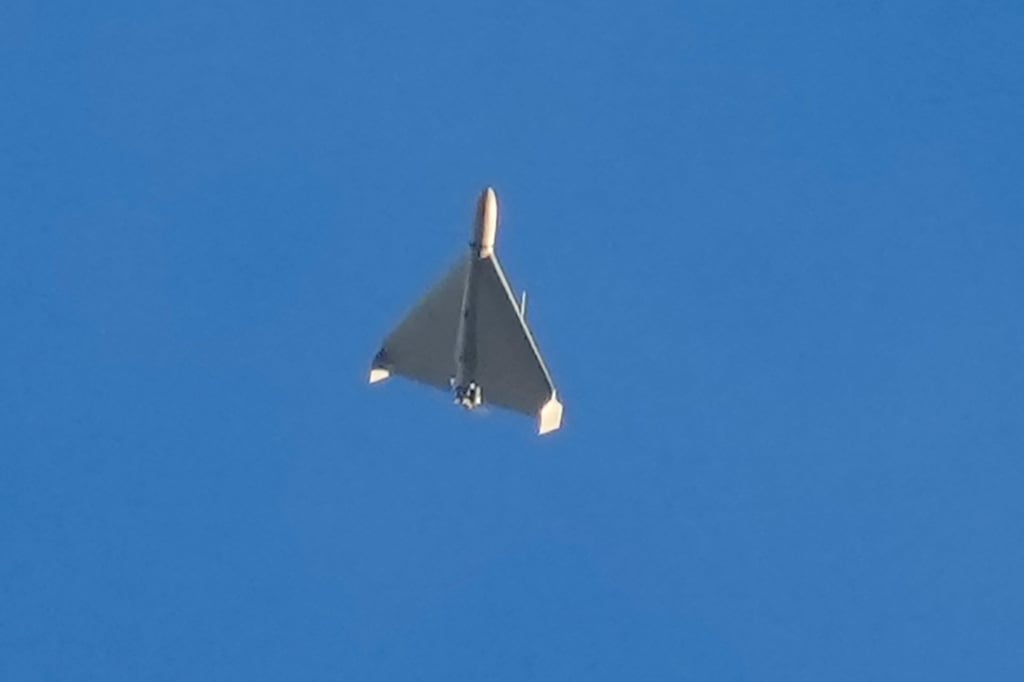
Shahed-136 one-way attack drones, small, rudimentary cruise missiles, continued to pound targets across the Middle East on Monday. The drones have in recent days hit US bases, oil infrastructure and civilian buildings, since the US and Israel air strikes on Iran – a barrage of cruise missiles, drones and precision-guided bombs - began on Saturday.
US-made Patriot air defence missiles have been largely successful in stopping the Iranian Shaheds and other ballistic missiles, with interception rates over 90 per cent, according to the UAE. But using US$4 million missiles to destroy US$20,000 drones illustrates a problem that has haunted Western military planners since early in the Ukraine war: the cheap weapons can chew up resources meant for much more complex threats.
The result is that both Iran and the US may run low on weapons in a matter of days or weeks. Whoever can last longer will gain a serious advantage.
Iran’s regional proxies were severely weakened by the war in Gaza and its missile capabilities damaged by the earlier Israel-US attacks in a 12-day war in June.