Iran will not ‘automatically’ fall after Khamenei’s death, shah’s widow says
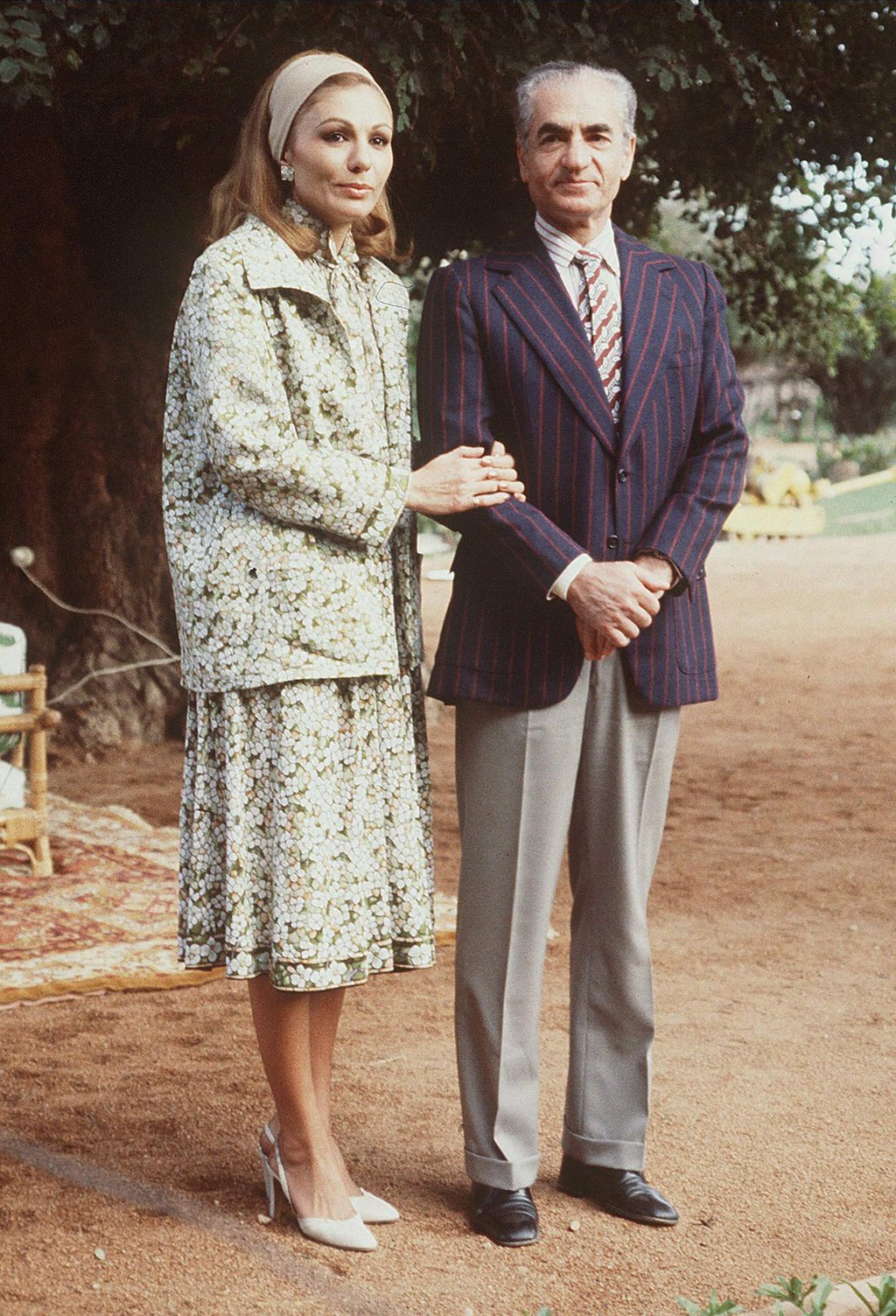
Farah Pahlavi, Iran’s last empress, has lived in exile in Paris since being driven from the country with her husband in the 1979 revolution

Iran’s supreme leader Ali Khamenei’s death is “historically significant” but will not “automatically” lead to the fall of the Iranian system, the widow of the country’s last shah said in an interview on Tuesday.
“The passing of a man – however central he may be to the architecture of power – does not automatically mean the end of a system,” said Farah Pahlavi, three days after US-Israeli strikes on Iran killed Khamenei.
The attacks on Iran have thrown the Middle East into turmoil and raised enormous questions about the fate of the Islamic republic following the death of the supreme leader and other senior figures.
Pahlavi, 87, urged the international community to respect Iranian sovereignty and assist the people in following their own “destiny”.
“What will be decisive,” she said, was “the ability of the Iranian people to unite around a peaceful, orderly and sovereign transition to a state governed by the rule of law”.
She added that her son Reza Pahlavi, who has positioned himself as an alternative if the republic falls, “is in the process of preparing” such a transition.