Analysis Why suspicion over St Petersburg subway bombing is falling on Islamist groups

For many years in the 1990s and 2000s, terror attacks hit Russia with alarming frequency, as the Chechen independence movement, which morphed in time into an Islamist terror group, targeted trains, planes and subway stations.
But outside Chechnya and other restive republics the number of attacks has decreased dramatically in recent years. Monday’s bomb on the St Petersburg metro was the worst act of terror outside southern Russia since a 2011 suicide attack at Moscow’s Domodedovo airport, which killed 37 people.
As of Monday evening, no group had taken responsibility for St Petersburg blast, but given the history of terror attacks in Russia, Islamist groups are likely under suspicion.
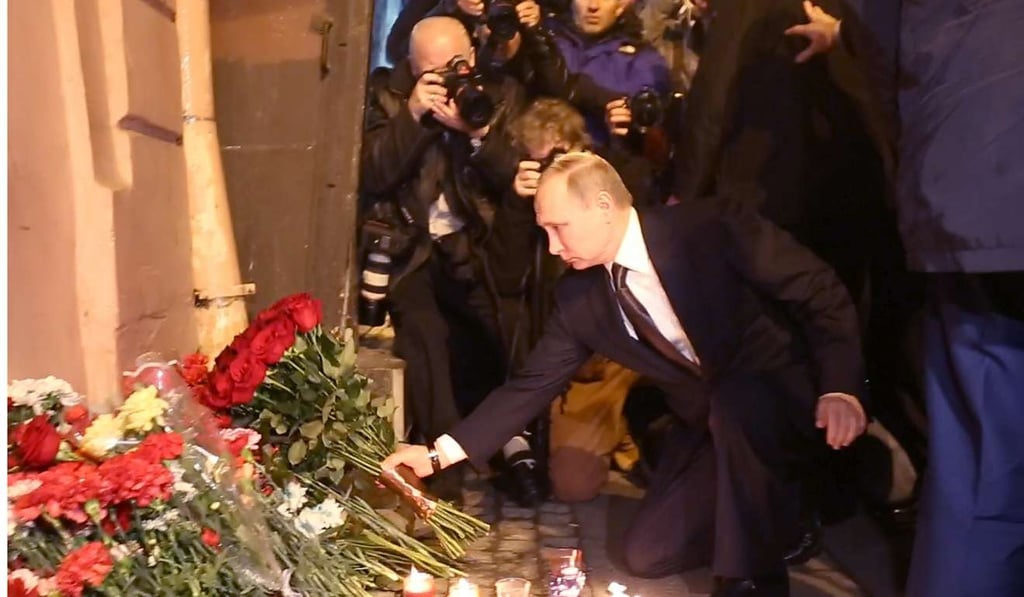
But most Islamist violence in Russia has been generated further west, in Chechnya. Early terror attacks by Chechens, such as the mass hostage taking at the Nord Ost theatre in Moscow in 2002 or at School Number One in Beslan in 2004, were accompanied by demands for a Russian withdrawal from Chechnya, rather than mass slaughter as their primary goal.