Advertisement
Russia
WorldRussia & Central Asia

Siberian mystery: fish are vanishing from the world’s deepest lake, hit by unexplained phenomena

Lake Baikal in Russia has suffered drastic loss of its signature fish, the death of sponge species and the explosive growth of foul-smelling algae

Reading Time:3 minutes
Why you can trust SCMP
The shoreline of Lake Baikal in Russian Siberia is covered by rotting Spirogyra algae. Lake Baikal is undergoing its gravest crisis in recent history, experts say. Photo: Agence France-Presse / Russian Academy of Sciences' Limnological Institute in Irkutsk / Oleg Timoshkin
Agence France-Presse

Russia’s Lake Baikal is undergoing its gravest crisis in recent history, experts say, as the government bans the catching of a signature fish that has lived in the world’s deepest lake for centuries but is now under threat.

Holding one-fifth of the world’s unfrozen fresh water, Baikal in Russia’s Siberia is a natural wonder of “exceptional value to evolutionary science” meriting its listing as a World Heritage Site by Unesco.

Baikal’s high biodiversity includes over 3,600 plant and animal species, most of which are endemic to the lake.

Advertisement

Over the past several years, however, the lake, a major international tourist attraction, has been crippled by a series of detrimental phenomena, some of which remain a mystery to scientists.

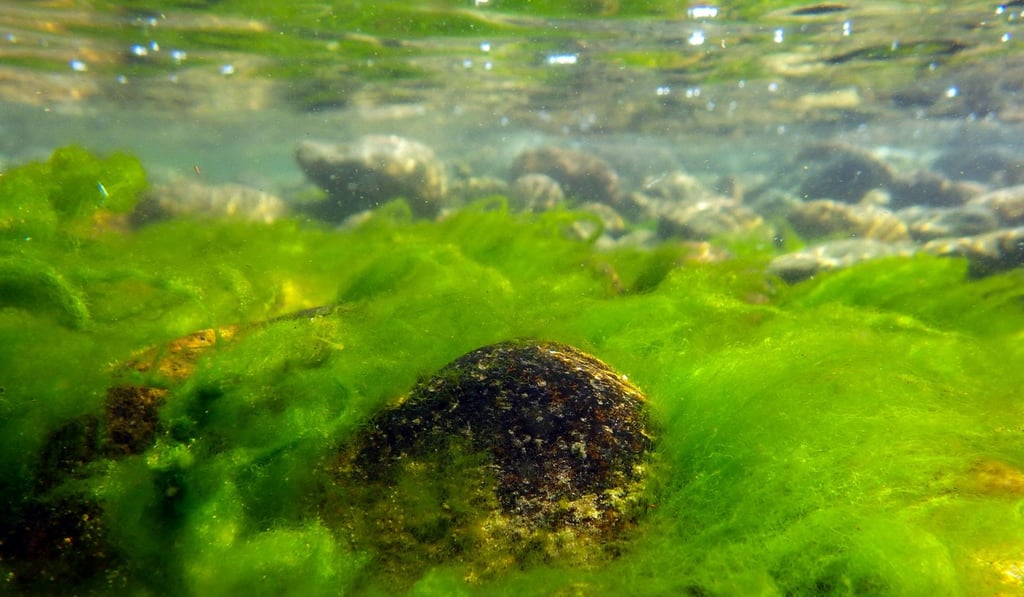
They include the disappearance of the omul fish, rapid growth of putrid algae and the death of endemic species of sponges across its vast 3.2 million-hectare area.
Advertisement
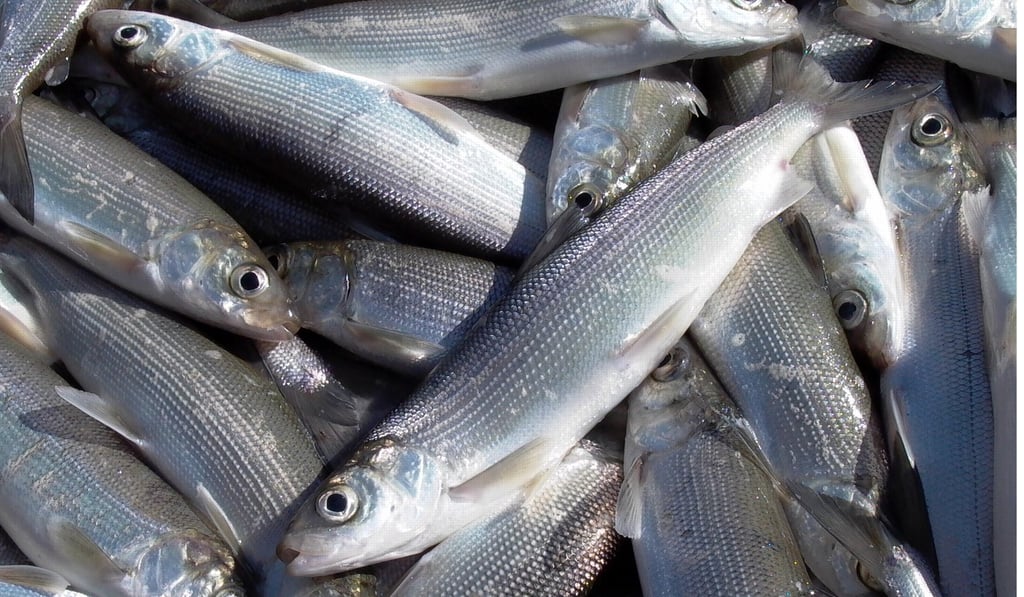
Starting in October, the government introduced a ban on all commercial fishing of omul, a species of the salmon family only found in Baikal, fearing “irreversible consequences for its population”, the Russian fisheries agency said.
The omul fish is now imperilled in Lake Baikal, where its presence has been more than halved in the past 15 years. Photo: FlashSiberia
A handout picture taken on September 20, 2015, shows Spirogyra algae in the waters of Lake Baikal. Photo: Agence France-Presse / Russian Academy of Sciences' Limnological Institute in Irkutsk / Oleg Timoshkin
Advertisement
Select Voice
Choose your listening speed
Get through articles 2x faster
1.25x
250 WPM
Slow
Average
Fast
1.25x