Facebook says ‘Putin’s chef’ Yevgeny Prigozhin now meddling in politics across Africa, removes fake accounts operating from Russia
- Campaigns shut down had posted about local news and geopolitical issues, as well as sharing content from Russian and local state-controlled media
- Networks targeted Madagascar, Central African Republic, Mozambique, Democratic Republic of the Congo, Ivory Coast, Cameroon, Sudan and Libya.
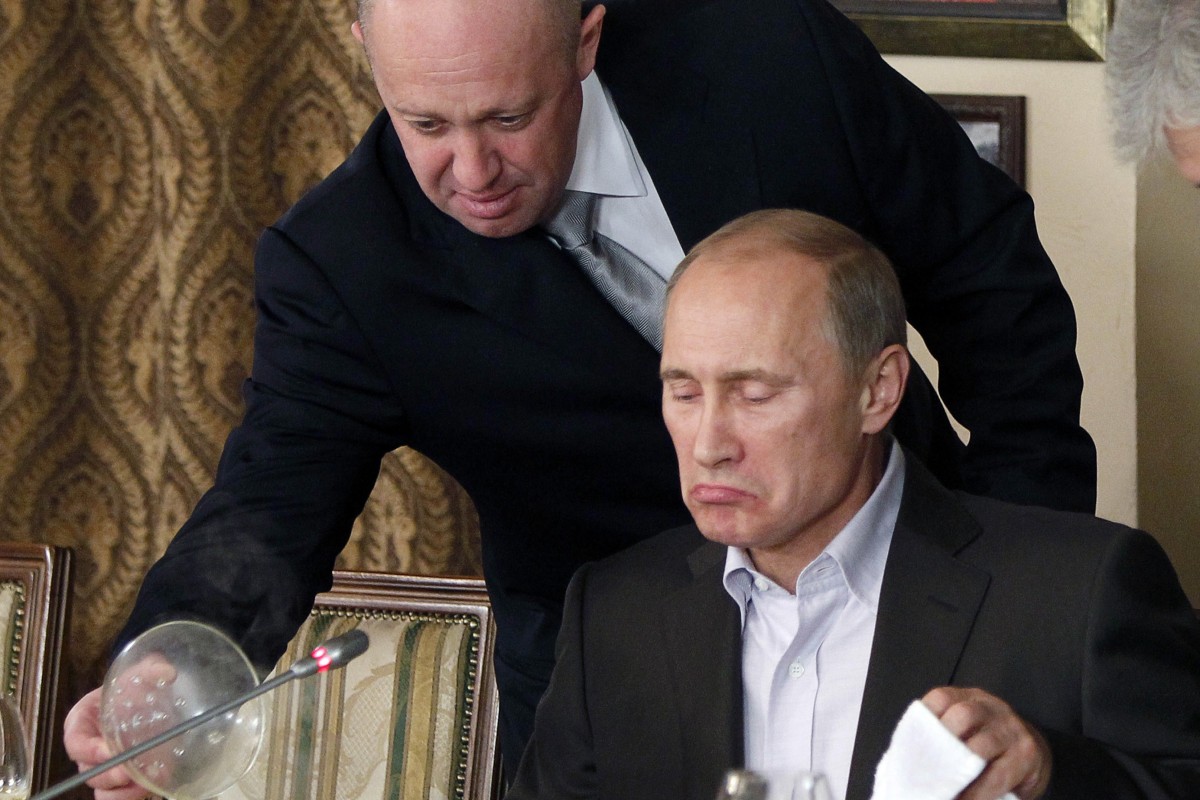
Facebook announced Wednesday that it had removed three networks of accounts it says are associated with Russian oligarch Yevgeny Prigozhin, the Kremlin-linked businessman whom US authorities indicted for interfering in the 2016 presidential election.
The networks – which included more than 170 Facebook accounts, pages, groups, as well as Instagram accounts, with nearly 1 million followers overall – targeted eight African nations with messages intended to bolster Russia’s political and commercial priorities.
Some of the images featured President Vladimir Putin alongside African leaders.
Facebook linked the coordinated influence operations to Prigozhin, who is known as “Putin’s chef” because of his politically connected catering business.
The African operations showed some similarities to that effort, including the willingness to promote messages on both sides of a political debate, but it also showed new tactics, such as the involvement of local partners in the Russian effort, said Nathaniel Gleicher, Facebook’s head of cybersecurity policy. He said that gives authorities at the national level more opportunities to detect and potentially shut down operations, while also increasing the complexity for the Russians in building and maintaining their disinformation networks.