Ukraine war: EU makes travel harder for Russians but balks at visa ban
- Kyiv has been asking allies to impose blanket restrictions on Russian visitors in wake of Moscow’s invasion
- With members divided on the issue, the EU is for now making the visa process longer and more expensive, though stricter measures could still be in the works

EU foreign ministers decided on Wednesday to make it more expensive and lengthier for Russians to obtain visas to travel to the bloc, but stopped short of agreeing to the EU-wide visa ban that Ukraine and several member states had called for.
The EU was too divided to agree at this stage on a blanket ban, and also left unclear what unilateral measures Estonia, Latvia, Lithuania, Poland and Finland, which have land borders with Russia, could take to restrict access to Russian visitors.
These five countries welcomed the suspension of Russia’s visa facilitation deal as a step in the right direction, but four of them stressed that more needed to be done to “drastically” limit the numbers of visas issued and Russians travelling to the bloc since Moscow’s invasion of Ukraine in February.
“Until such measures are in place on the EU level, we … will consider introducing on the national level temporary measures of visa ban, or restricting border crossing for Russian citizens holding EU visas, in order to address imminent public security issues,” Latvia, Lithuania, Estonia and Poland said in a joint statement.
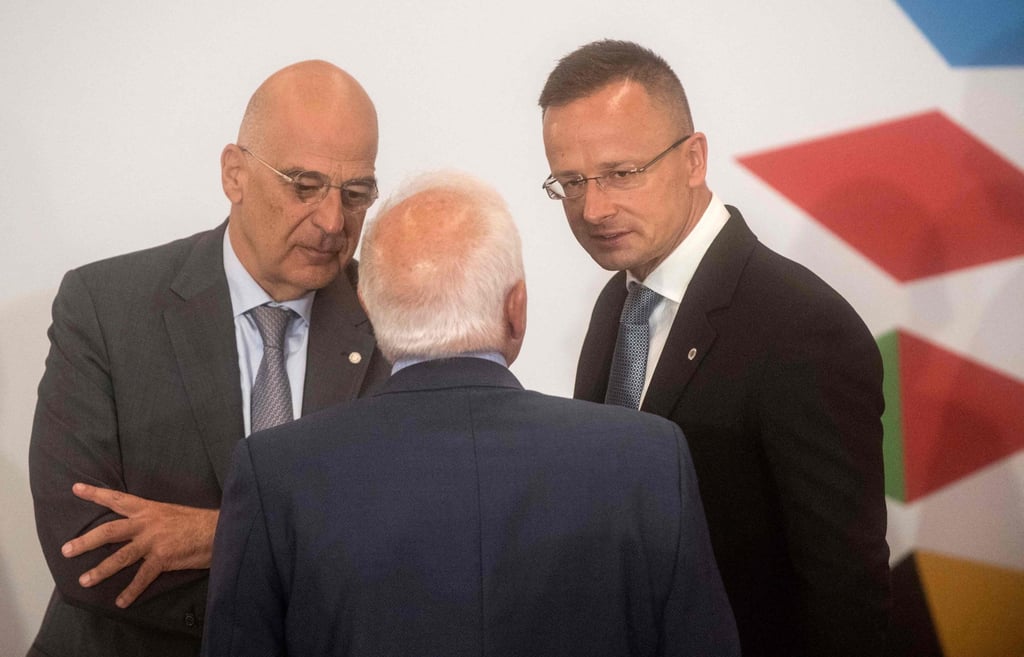
Czech Foreign Minister Jan Lipavsky said the EU’s executive Commission would indeed look at ways to go further, including what can be done with what Lipavsky said were about 12 million Schengen visas already issued for Russians – referring to the 26-country zone of open borders.
The EU’s foreign policy chief, Josep Borrell, argued that the suspension of the visa facilitation deal will by itself already have a real impact.