Russian minister’s death fuels mystery, raises questions for Kremlin elites
Roman Starovoyt’s alleged suicide after being fired sparks speculation about a hardening environment for those close to Vladimir Putin

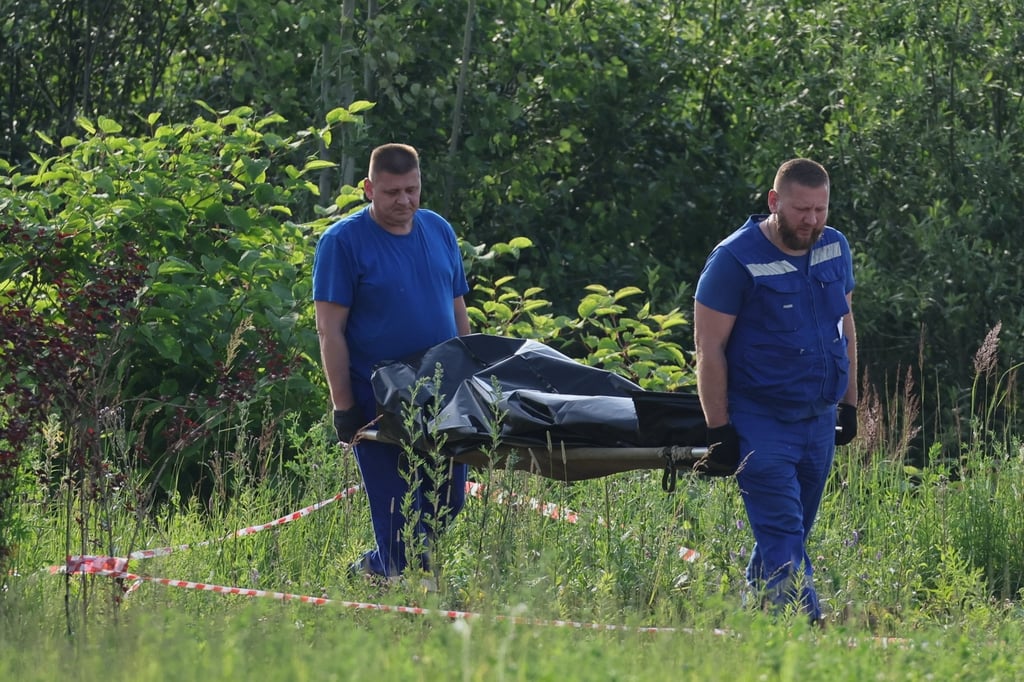
Among the unanswered questions: did Roman Starovoyt really kill himself in his car, as authorities said, or did he take his life in a nearby park? Was he facing a criminal investigation into large-scale corruption? And does his death signal a new, harsher environment for Kremlin elites related to the war in Ukraine?
Russian media was abuzz with claims that Starovoyt, who was found dead hours after being fired Monday by President Vladimir Putin, had faced potential corruption charges linked to his previous job as governor of the Kursk region, where Ukrainian forces staged a surprise incursion last year.
His death drew quick comparisons to Soviet dictator Josef Stalin’s purges in which some top Kremlin officials killed themselves rather than risk arrest.
Starovoyt’s former deputy, who succeeded him as Kursk governor, was arrested in April on charges of embezzling state money allocated for building fortifications on the border with Ukraine, and Russian media reports claimed that he testified against his former boss. Russian authorities have not announced any criminal case against Starovoyt.