Analysis How the CIA sneaked into homes and pockets, turning TVs and smartphones against their users
‘Anyone who thought the CIA couldn’t hack into devices was living in a fantasy world’

The latest revelations about the US government’s powerful hacking tools potentially take surveillance right into the homes and pockets of billions of technology users worldwide, showing how a remarkable variety of everyday devices can be turned to spy on their owners.
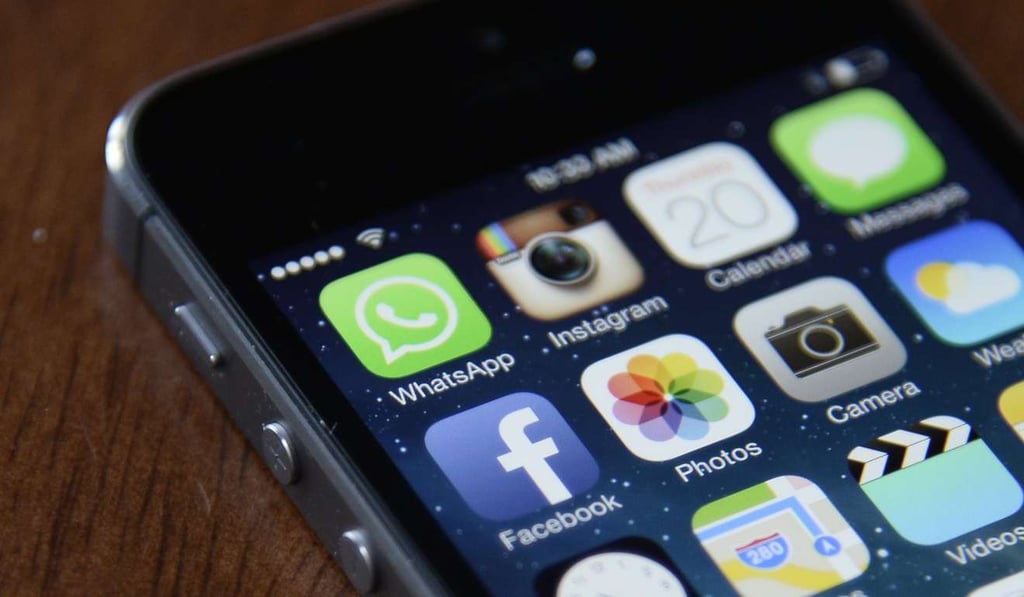
Televisions, smartphones and even anti-virus software are all vulnerable to CIA hacking, according to WikiLeaks documents released Tuesday. The capabilities described include recording the sounds, images and private text messages of users, even when they resort to encrypted apps to communicate.
In the case of a tool called “Weeping Angel” for attacking Samsung smart TVs, WikiLeaks wrote, “After infestation, Weeping Angel places the target TV in a ‘Fake-Off’ mode, so that the owner falsely believes the TV is off when it is on. In ‘Fake-Off’ mode the TV operates as a bug, recording conversations in the room and sending them over the Internet to a covert CIA server.”
The idea that the CIA and NSA can hack into devices is kind of old news. Anyone who thought they couldn’t was living in a fantasy world
The CIA reportedly also has studied whether it could infect vehicle control systems for cars and trucks, which WikiLeaks alleged could be used to conduct “nearly undetectable assassinations.”